Get Full Government Meeting Transcripts, Videos, & Alerts Forever!
Get email alerts on the Federal Workforce topic
No spam. Unsubscribe anytime.
Senator presses GAO on telework, customer service and federal productivity
Summary
A senator told GAO that telework may be contributing to longer response times at agencies and urged oversight; GAO recommended an outcomes‑based approach, noting skill gaps and that workplace flexibility can help recruit high‑tech talent.
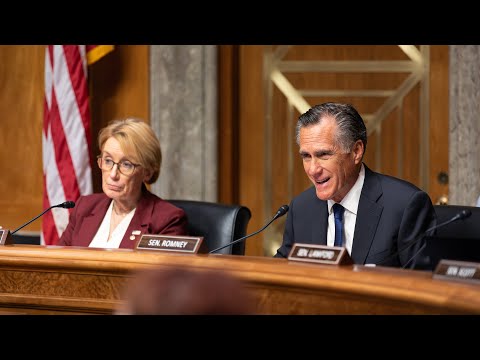
A senator raised concerns about federal teleworking practices during a Senate hearing, telling a GAO witness that longer customer service lines and vacancy rates at some agencies suggest telework may be affecting productivity.
Mister Dodaro, speaking for GAO, said the office is studying telework’s effects across agencies and recommended Congress focus on outcomes — service delivery and mission achievement — rather than micromanaging work locations. “Are we getting the right outcomes that we want to achieve?” he asked, and said agencies should be held accountable if they do not.
Why it matters: Lawmakers from both parties have debated telework policy since the pandemic. GAO told the committee that while telework can help recruit specialized talent (for example, cybersecurity and AI specialists the government cannot pay competitively), some missions require staff on site to serve the public. The agency recommended applying flexibility based on mission needs and focusing oversight on measurable outcomes.
Mister Dodaro also pointed to skill gaps in roughly two dozen of the 37 GAO‑designated high‑risk areas and said agencies need better training and recruitment to meet technology and security demands. He said the GAO manages a largely outcome‑oriented workforce and that similar metrics could help evaluate telework elsewhere.
The committee did not adopt new telework restrictions during the hearing. Senators discussed existing proposals to limit teleworking in certain agencies and signaled interest in outcome‑based oversight measures going forward.