Get Full Government Meeting Transcripts, Videos, & Alerts Forever!
Get email alerts on the Board Governance topic
No spam. Unsubscribe anytime.
Board defeats resolution on outside interference, hears heated public comment on recall; tables student-member plan to November
Summary
Trustees read and debated Resolution 2526.03 to affirm board independence and condemn political retaliation; the motion failed 2–2. Public commenters raised allegations about a recall and possible misuse of district resources. The board directed the superintendent to return with a plan for a rotating student board member and tabled the item to November.
The Adelanto Elementary School District board spent a substantial portion of its Oct. 7, 2025 meeting on governance and public-accountability issues, including a contested resolution, sharp public comments about a local recall and a multi-hour discussion about a proposed student board member.
President Sotto read Resolution 2526.03 — titled, in the reading, as reaffirming the board’s governing authority and protecting trustees from institutional interference, political retaliation and hate speech. The resolution decried "back-channel coordination, unauthorized lobbying, hate-driven intimidation, and hidden manipulation" and called for transparent, ethical governance. Trustee Keier and President Sotto supported the resolution; Trustee LaFrenche and Trustee Stewart opposed it, with Trustee Stewart calling it overly broad and suggesting it could chill free speech. The motion to approve the resolution failed on a 2–2 vote (Keier and Sotto aye; LaFrenche and Stewart nay).
During the public-comment period earlier in the meeting, Tina Smith alleged that a recall against a replacement trustee was being used improperly, citing California Election Code 11020 and alleging false accusations, anonymous complaints and possible misuse of district resources. She also referenced civil-code defamation provisions and government/education-code sections in making legal claims. Those allegations were presented as public comment and were not litigated or adjudicated at the meeting; the transcript records no formal response to those specific charges during the session.
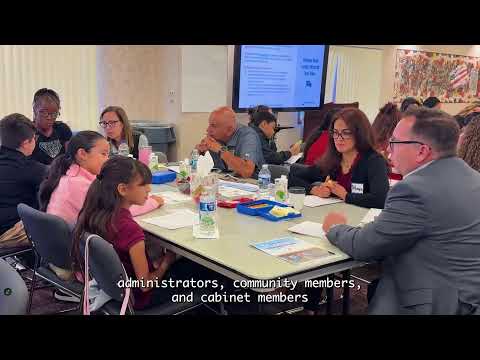
The board also debated a proposal to add a student board member. Trustees raised logistical and safety concerns — including the age of potential students (many district schools are K–8), confidentiality around closed sessions and the burden on students and families to attend long meetings. Clerk Hyer proposed a rotating model (a different student guest per meeting) and recommended excluding students from closed sessions for confidentiality reasons. Superintendent Walker advised against a student member at this time, citing current board dynamics and recommending reliance on existing channels (student advisory council and guiding coalition). The board nevertheless directed Dr. Walker to return with procedures for a rotating student-board-member model and voted to table the item with the expectation it will be brought back at the November meeting (motion passed 3–0 with Trustee Stewart opposed to tabling).
Trustees also debated term limits for board members, with supporters urging a two-term (eight-year) maximum and opponents raising concerns about appointments if no candidates file and the loss of institutional knowledge. The transcript shows procedural confusion and a tied or failed vote on moving a term-limits measure forward during this meeting.
The meeting record shows robust disagreement and procedural exchanges rather than final policy changes on governance structures; the board asked staff to return with clearer plans and timelines for the student-member proposal and left the resolution on board independence unresolved by a tied vote.