
U.N. warns Gaza food insecurity remains critical despite some improvements; winter and access barriers deepen need
Get AI-powered insights, summaries, and transcripts
Subscribe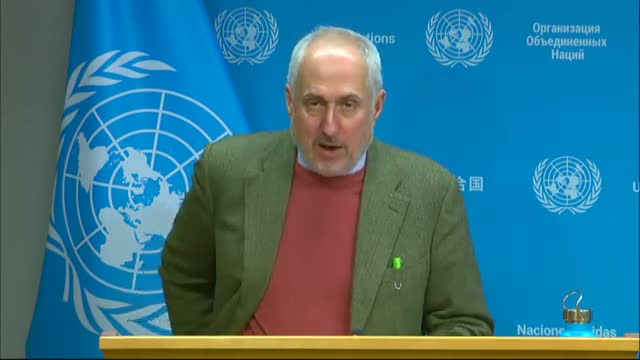
Summary
The U.N. said about 1.6 million people in Gaza — more than 75% of the population — are projected to face extreme acute food insecurity and that winter storms and damaged infrastructure are worsening needs; the U.N. said it has supplied daily hot meals and other support but cannot meet growing needs while access remains limited.
The United Nations told reporters on Dec. 17 that an Integrated Phase Classification report projects approximately 1,600,000 people in Gaza — more than 75% of the population — will face extreme levels of acute food insecurity through mid‑April. The U.N. spokesperson said the highest IPC phase includes people expected to face catastrophic hunger and that numbers of malnourished children and pregnant or breastfeeding women needing treatment are significant, though some transcript figures were not clear in the briefing.
"We have prepared more than 1,500,000 hot meals every day," the spokesperson said, and added that the U.N. has supported bakeries, rehabilitated hospitals, vaccinated children, cleared rubble, restored water lines, and provided tents, blankets and clothing. She cautioned, however, that need is growing faster than aid can reach people and reiterated that "the only lasting solution is a durable ceasefire."
On shelter, the U.N. said it lacks enough tents and more solid temporary housing and identified a principal barrier as insufficient permission from Israeli authorities to allow the necessary aid and materials into Gaza. In response to reporters' questions about moving toward more durable mobile housing, the spokesperson said the U.N. would like to do so "as soon as possible" but that current access constraints prevent large‑scale reconstruction or more solid shelter deliveries.
The spokesperson pointed to U.N. reporting channels for latest delivery statistics and said field teams are also providing assistance where possible. The briefing did not include a detailed, verified tally of recent shelter shipments; the U.N. directed reporters to official logistics updates for that data.