Get Full Government Meeting Transcripts, Videos, & Alerts Forever!
Get email alerts on the Billing Resolution topic
No spam. Unsubscribe anytime.
YIPAC forwards draft resolution to bill insurers for extraordinary crash responses
Summary
Commissioners voted to forward a draft resolution that would add a Clemis checkbox to mark extraordinary, at‑fault incidents as billable and explore using a third‑party vendor to recover costs; members stressed narrow scope and legal review before council consideration.
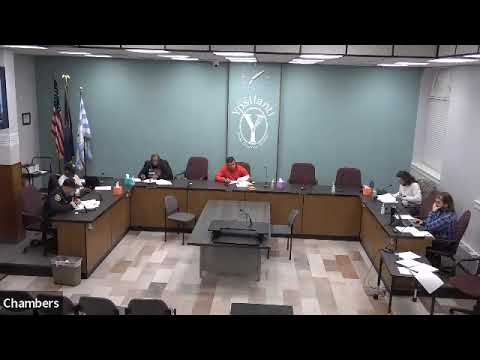
The Ypsilanti Police Advisory Commission on Dec. 18 voted to forward a draft resolution that proposes billing for extraordinary, at‑fault incidents — such as commercial jackknifes or DUI crashes requiring extrication — and using recovered funds to support hiring incentives.
Alex (presenter of the draft) described the proposal as a limited program that would rely on Clemis reporting to flag incidents as billable and likely use a third‑party vendor to handle insurer billing. Alex said the draft assumes conservative collection rates and estimated the city might recover “only 40 or 50% of the actual billings sent out.” Commissioners discussed options for limiting scope to truly extraordinary incidents and avoiding billing typical fender‑benders.
Chief Anderson cautioned that legal and collective‑bargaining issues, existing tow contracts and the prosecutor’s restitution processes complicate a direct billing program. He noted prosecutors can request restitution in some OWI cases, but collectibility and the person’s ability to pay are limiting factors. Commissioners suggested early legal review and a working group including the city manager, police, fire, finance, clerk and attorney to assess feasibility and draft ordinance language.
A commissioner who has researched similar programs in other municipalities described how many cities use third‑party billers to route claims to insurers rather than initiating lawsuits. Roland, calling in remotely, encouraged bringing the idea to city council for fuller vetting.
By voice vote the commission approved forwarding the draft resolution and recommended staff convene an interdepartmental review to evaluate legality, scope and implementation details. The vote was advisory; final ordinance or policy would require city council action and legal drafting.