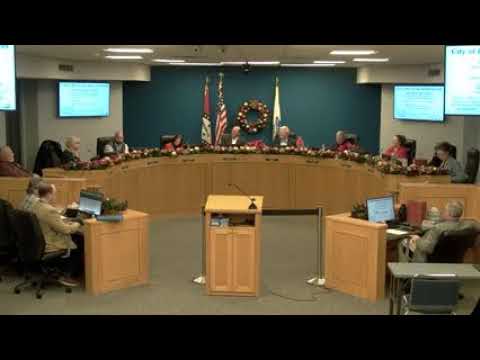
Hot Springs board approves substitute ordinance to ask voters about director pay
Loading...
Summary
After weeks of work‑session discussion, the board voted to substitute alternative ballot language that would ask voters whether directors should receive W‑2 compensation of $750 per month plus insurance and APERS membership, subject to eligibility and subsequent ordinance.
The Hot Springs Board of Directors voted to put a compensation question before voters after substituting alternative ballot language and rejecting a delay amendment.
City Attorney explained the alternative (now identified as O‑25‑50a) would ask voters to authorize W‑2 compensation of $750 per month for board members starting July 1, 2026, along with individual health insurance and membership in the Arkansas Public Employees Retirement System, but said eligibility and a subsequent ordinance would be required to implement any benefits. "Should the voters approve this, it would still be subject to whatever the eligibility requirements are and a subsequent ordinance that ultimately authorizes that," the city attorney said.
Staff further cautioned that APERS enrollment appeared unlikely based on recent inquiries and that offering health insurance would require the city to create a separate employee class for directors.
Directors debated timing and form. Director Erin Holiday said the measure simply seeks public input and could help remove financial barriers for prospective candidates: "We're allowing the public... to think about that — whether they want to invest in a compensation plan that could offset expenses," Holiday said. Director Dudley Webb argued the board should not be asking taxpayers to pay sitting directors and urged delaying the question until higher turnout in November; Webb said he planned to vote no.
Local resident George Pritchett urged the board to reject compensation, arguing the role is not full‑time and that candidates knew it when they ran. "This is just not right," Pritchett said in public comment.
After public comment and board discussion, the board voted to substitute and adopt O‑25‑50a (the ballot question). Recorded votes show the ordinance substitute passed with a majority: Garcia, Trustee, Holiday, Beard and Mayor McCabe voted yes; Webb and Dobbs Smith voted no.
The action authorizes placing the compensation question on the voters’ ballot; any actual pay, benefits or enrollment in retirement or insurance programs will require a subsequent implementing ordinance and compliance with eligibility rules.