Custody health officials report rising substance‑use treatment needs; facilities and staffing constrained
Loading...
Summary
Custody Health Services and Behavioral Health described rising demand for substance‑use treatment among people in county custody, driven in part by fentanyl, and said facilities dating from the 1950s–1980s impose constraints on private interview and group‑based treatment space; staff noted a facility needs assessment is under review and will inform multi‑year facility planning.
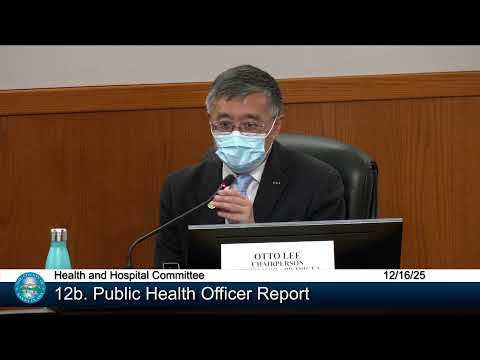
Custody Health Services and county behavioral health staff told the Santa Clara County Health & Hospital Committee on Tuesday that substance‑use treatment needs in county jails are increasing while facility space and staffing limit the department's ability to expand counseling and group programs.
Medical director Alex Chorney and Custody Health director Graciel Luna said the fentanyl epidemic and growing numbers of positive toxicology screens are increasing demand for detox and behavioral‑health services inside custody. Chorney said staff are constrained by space — older jail buildings have limited private interview rooms and few areas suitable for group therapy — and by staffing shortages.
The county has retained a consultant to complete a facility needs assessment for custodial health services; staff said the draft is under internal review and will form the basis for a multi‑year facilities plan that will come back to the Public Safety Justice Committee. Officials said that addressing space and classification mismatches — particularly at Elmwood campus and the Main Jail — will be costly and require phased planning.
The committee received the report and asked staff to include options for interim measures and possible inpatient care expansions in a January report to the Public Safety Justice Committee.
What happens next: Staff will finalize the facility needs assessment, return findings to the Public Safety Justice Committee (expected in January), and develop interim options to expand treatment capacity while a longer facilities plan is developed.