Get Full Government Meeting Transcripts, Videos, & Alerts Forever!
Get email alerts on the Native American Education topic
No spam. Unsubscribe anytime.
Fremont County School District #25 hears Native American education, grant and program update
Summary
Director Roy Brown told trustees the district received $218,088 in Title VI funding this year and outlined program priorities — cultural identity, attendance, graduation and academic achievement — while warning of federal oversight changes and potential uncertainty for Title II and Title IV funding in 2026–27.
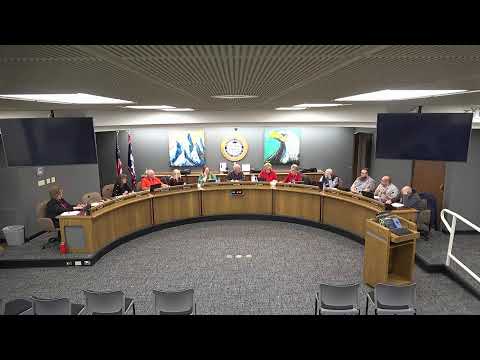
Roy Brown, director of Native American education and programs for Fremont County School District #25, briefed the board on the district’s Native American programs, funding sources and recent activities on Tuesday.
Brown told trustees the district’s Title VI Indian education grant this year totaled $218,088 and that the program’s top priority, as ranked by stakeholders, is “to increase knowledge of cultural identity and awareness.” He said Title VI and related federal funding support a mix of cultural programming, advocacy and staff positions, and he described a planned staffing shift from a Native American student advocate to a Native American cultural programming coordinator paid from Title VI funds.
Brown listed additional funding sources that support Native American students and services: a Nexon mobile grant of $34,000 for STEM supplies; Perkins and CTE professional development grants; a Wyoming mental‑health grant allocated by the state legislature based on average daily membership; and $10,000 CNA and preschool grants from Fremont County BOCES.
He also described district programs serving Native American students: the Fremont 38 high school transition program, a settlement‑funded arrangement in which Fremont County School District 38 pays tuition and shares impact‑aid proceeds for resident students; a Johnson O’Malley (JOM) program that is administered as a parent group and received about $23,000 last year; and Impact Aid funding that offsets nontaxable federal trust land for resident students.
Brown provided enrollment figures used for grant eligibility: about 680 self‑identified American Indian/Alaska Native students in district enrollment this year (down by roughly 30 from last year), 608 students counted for Title VI funding where a completed ED‑506 form was on file, 464 counted under JOM rules, and 132 students verified for Impact Aid because they live on Indian lands. He also said Title I’s low‑income October count included 952 students districtwide, with 325 at the elementary level.
In response to a trustee’s question about the enrollment decline, Brown said many of the students who left had enrolled elsewhere before the school year began — roughly 25 students moved away or enrolled at boarding schools out of state. He urged trustees to note the distinction between self‑identification used for outreach and the completed ED‑506 forms that determine Title VI funding levels.
Brown highlighted recent and upcoming programming including family nights, a student music workshop with an Indigenous artist, classroom cultural demonstrations, and the district’s Rendezvous powwow planned for May 15, 2026. He said the Fremont 38 transition program pays for academic coaches, paraprofessionals and an Arapaho language teacher who also supports western heritage coursework.
Brown cautioned that federal administration plans could change grant oversight and monitoring: he said some responsibilities for Title VI may be moving to the Department of the Interior and that other programs (Title I, II, IV, Impact Aid and McKinney‑Vento) could shift under different interagency arrangements. He said uncertainty about the 2026–27 Title II and Title IV budget proposals could force the district to consider how to cover up to four certified positions funded by Title II and three and a half positions funded by Title IV if those grants are reduced or eliminated.
The presentation concluded with Brown noting recent program successes — including a full cohort of graduating seniors from the transition program last year — and an invitation for trustees and the public to upcoming events and consolidated‑grant feedback sessions.