Get Full Government Meeting Transcripts, Videos, & Alerts Forever!
Get email alerts on the Surveillance Cameras topic
No spam. Unsubscribe anytime.
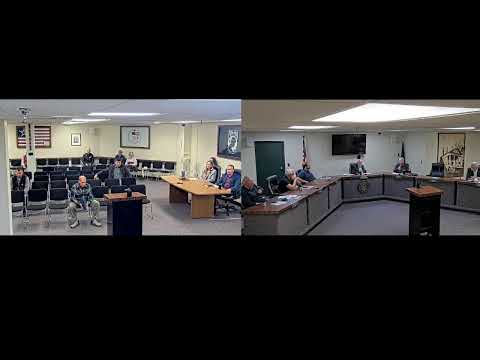
Lapeer County commissioners table vote on Flock license‑plate camera system after privacy concerns
Summary
The board delayed a decision on a proposed 24‑camera Flock license‑plate reader system (initial $104,600; $83,500 annual) after residents and several commissioners raised Fourth Amendment and data‑sharing concerns and asked for more public input; the item is set for reconsideration in January.
Lapeer County commissioners voted on Dec. 18 (motion introduced at the regular meeting) to table consideration of a proposed countywide Flock license‑plate reader system until the board’s January committee meeting to allow more public input and further review.
The purchase proposed an initial cost of $104,600 for 24 camera licenses and an annual operating fee of $83,500 for the following four years, to be funded from line item 207‑301‑850.200 and described in the motion as “at no additional cost to the county general fund.” The motion to authorize the purchase was introduced by a commissioner in the properties committee; another commissioner moved to table the item and that motion prevailed.
Supporters, including sheriff’s office representatives, described automated license‑plate readers as a law‑enforcement tool that helps investigations and prosecutions. The sheriff told the board that body and patrol cameras and lab resources “99.9% of the time, it saves us,” and described the camera feed as useful to prosecution work.
Public speakers and several commissioners pressed for a fuller public review and raised legal and privacy questions. A resident, Maurice Freid, urged an in‑depth public meeting with the sheriff and the prosecutor and cited Carpenter v. United States and Michigan’s constitutional protections, saying the public should be “apprised of the significance of this action.” Another commissioner said the Flock system “does not do facial recognition. It does not take picture of the occupant of the car; it takes a picture of the back of the vehicle with the license plate.”
Concerns raised included whether captured data could be shared with other agencies or federal partners, the scope of retention and access, potential third‑party access and whether contractors’ proprietary practices would limit public disclosure. Commissioners noted the proposed contract is five years and described it as difficult to unwind once implemented.
With the matter tabled, commissioners asked for opportunities for additional public outreach, technical briefings from law‑enforcement partners, and clarification of contract terms, data‑sharing rules and any access provisions with outside agencies. The item is expected back on committee and regular meeting agendas in January for further consideration.