After heated public hearing, Pennington County directs staff to steer utility‑scale solar and wind toward industrial zones
Loading...
Summary
Following several hours of public testimony for and against utility‑scale renewable projects, the Pennington County Commission voted 3–2 to direct staff to draft ordinance language that would restrict utility‑scale wind and solar to industrial zoning districts and continued the ordinance’s first reading to January for a staff redraft.
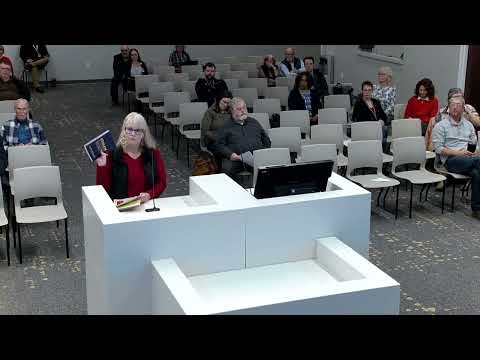
The Pennington County Board of Commissioners on Tuesday directed county staff to draft changes that would generally limit utility‑scale wind and solar energy facilities to industrial zoning districts consistent with the county’s 2040 Comprehensive Plan, after a long, at‑times emotional public hearing that drew ranchers, environmental advocates and industry representatives.
The board’s direction follows several hours of testimony from landowners and neighbors who said solar farms and wind projects raise concerns about permanent land conversion, water and well impacts, road damage, decommissioning, wildlife habitat, and local fire and emergency response. "Utility scale solar requires large land conversions, mining intensive materials, heavy subsidies and long term disposal problems," one resident said during public comment; multiple speakers urged strong setbacks, bonding and well‑testing conditions before approval.
Industry representatives and proponents countered that modern projects can be sited and operated with mitigation measures such as revegetation plans and conditional use permitting. "These regulations are the minimum standards," said a representative for Infinity Global during public comment, adding that modern siting and decommissioning practices reduce long‑term impacts.
After debate among commissioners on whether to allow utility‑scale projects in agricultural zones, on Tuesday a majority (3–2) voted to require staff to prepare ordinance language that narrows eligible locations to industrial zoning districts and return a draft at the commission’s second January meeting. Commissioners also continued the ordinance’s first reading to that January meeting so the public and staff can review the proposed amendments.
Tyler Sobczak from the state’s attorney’s office advised the board that an outright ban could raise preemption issues with the South Dakota Public Utilities Commission, and that carefully crafted zoning regulation is the legal path most likely to preserve local control. The board’s direction to staff is procedural; it does not itself change county code. Commissioners said they expect staff to produce a draft showing how the change would be implemented, including proposed setbacks, decommissioning and bonding requirements, and how the change would interact with the comprehensive plan.
The motion directing staff to prepare the industrial‑district limitation passed 3–2. The commission voted to continue the first reading of the alternative energy ordinance to the second January meeting so the planned draft language and comprehensive‑plan amendments can be reviewed by commissioners and the public.