Study commission debates smaller council, elected mayor and city-county manager in charter draft
Loading...
Summary
Members of the Butte-Silver Bow study commission reviewed working-group recommendations to shrink the council, make the mayor an at-large, voting presiding officer, add a deputy mayor, and create an appointed city-county manager; commissioners deferred final votes to allow more public review and separate votes on each issue.
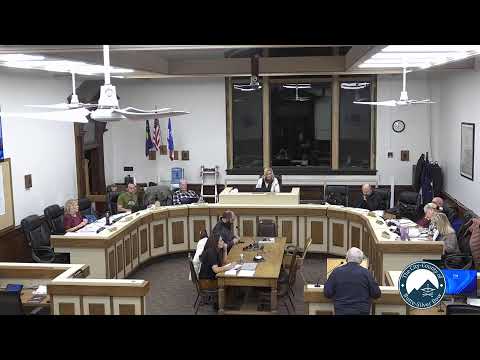
The Butte-Silver Bow Study Commission on Dec. 15 reviewed a package of working-group recommendations to rewrite parts of the county’s charter, including reducing the council’s size and shifting some powers to an elected mayor and an appointed city-county manager.
Mister Dennehy, presenting the council, mayor and manager proposals, told the commission the working group recommended a council composed of a smaller number of district-elected members and a mayor elected at large. "The mayor shall be recognized as the head of the city county government for all ceremonial purposes ... and shall execute contracts, deeds, and other documents," Dennehy said while walking commissioners through draft language that also creates a deputy mayor and specifies nonpartisan elections.
The draft would make the mayor a voting presiding officer, change prohibitions on council interference with administrative appointments, and require the council to appoint a city-county manager "solely on the basis of education and experience." The manager section in the draft sets out appointment, qualifications and a removal process that includes a resolution and an opportunity for a response and hearing.
Why it matters: The proposed changes would shift day-to-day administration to a professional manager while elevating the mayor’s legislative role as a representative elected by the whole county. That combination would change who makes operational decisions and how the legislative and executive branches of the consolidated government interact.
Commissioners spent much of the meeting debating how to handle tie votes and succession under a smaller council. Several members and the county attorney discussed whether the mayor should vote on all matters or act only as a tiebreaker, and whether tiebreaking rules belong in the charter or in council rules. "With a smaller commission you're going to get ties a lot more often," the county attorney warned, noting that emergency or time-sensitive votes can make a tiebreaker practically important.
Commissioners also questioned whether the proposed full-time compensation and workload were justified. One member pointed to other Montana jurisdictions with smaller councils and lower pay; another urged that the commission use public survey input — which, the presenter said, had indicated some support for full-time commissioners — when finalizing compensation and structure.
Next steps: The commission debated but did not adopt the draft. Commissioner Shaw moved to advance the working-group language toward the preliminary report with caveats, but afterward the motion was withdrawn so members could vote on each piece separately (number of commissioners, mayor voting role, tiebreaker language, and full-time vs. part-time status) at the next meeting. The chair said the commission will publish a preliminary report, resume listening sessions and hold a formal public hearing before taking final votes on any ballot initiatives.
What the draft omits for now: The working group presented placeholder numbers (for example, an odd-numbered council and an at-large mayor) but left some language, including precise compensation levels and quorum mechanics, for further drafting and public feedback. The commission directed staff and the working group to produce clearer, section-by-section options that can be voted on separately.