Get Full Government Meeting Transcripts, Videos, & Alerts Forever!
MassDEP outlines ECSDC grant funding, timelines and eligible uses for small disadvantaged water systems
Summary
MassDEP told ECSDC grantees that federal EPA allocations provide roughly $38 million (FY22–23) plus ~$19.2M (FY24) and ~$19.5M (FY25) to Massachusetts; projects must follow assigned work-plan timelines (examples: 09/30/2029 or 09/30/2030) and may address PFAS, manganese and other emerging contaminants.
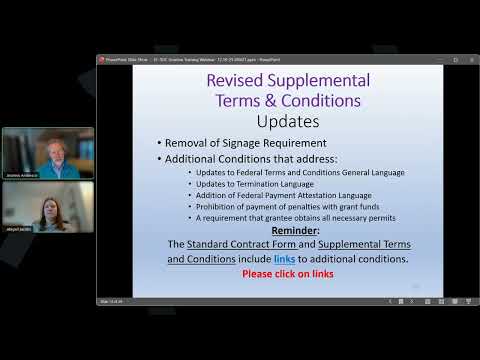
Abby Jacobs, ECSDC Grant Program Manager for the Massachusetts Department of Environmental Protection (MassDEP) Drinking Water Program, opened the webinar by summarizing the Emerging Contaminants in Smaller Disadvantaged Communities (ECSDC) grants awarded by EPA in February 2023. She said the program provides states funds to help public water systems and small or disadvantaged communities…
Already have an account? Log in
Subscribe to keep reading
Unlock the rest of this article — and every article on Citizen Portal.
- Unlimited articles
- AI-powered breakdowns of topics, speakers, decisions, and budgets
- Instant alerts when your location has a new meeting
- Follow topics and more locations
- 1,000 AI Insights / month, plus AI Chat