Get Full Government Meeting Transcripts, Videos, & Alerts Forever!
Get email alerts on the Transportation Funding topic
No spam. Unsubscribe anytime.
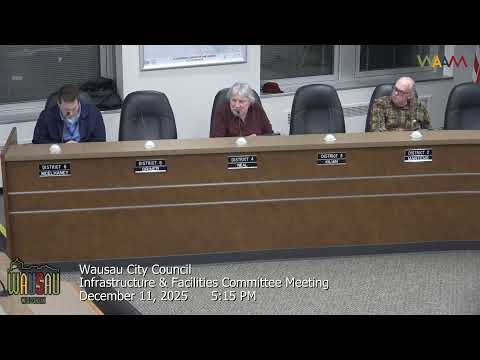
Committee asks MPO to prioritize 17th Avenue reconstruction, requests 70–80% STP Urban funding
Summary
City staff reported the MPO allotted about $1.8 million this cycle and recommended requesting a minimum 70% STP Urban share (seeking 80% if possible) for the proposed 17th Avenue reconstruction; the committee voted 5–0 to pursue 80% with a 70% floor.
City staff and the MPO representative told the committee that the metropolitan planning organization received a smaller allocation this cycle (about $1.8 million), constraining how many projects the MPO can fund. Engineering recommended the city request a minimum of 70% STP Urban funding for the proposed 17th Avenue reconstruction (Stewart Avenue to Party Street) and seek up to 80% to limit the city's capital obligation.
Aaron Anklam, representing the MPO, said earlier cycles provided roughly $4 million and that Federal Highway Administration rules prevent funding a project below 50% federal participation. "FHWA doesn't allow us to fund projects below 50% funding," he said, and warned that accepting a lower local match could leave the city responsible for a larger share of future cost increases. Staff presented scenarios showing a 70% award would leave about 36% of some costs not covered by the MPO scenario presented.
Committee member Alderman Veil moved to follow staff recommendations — request 80% funding with a 70% minimum acceptable level in negotiations with the MPO; Alder Watson seconded. The motion passed unanimously (5–0). Staff noted that, if awarded, the project would return to the committee with a state municipal agreement documenting the split and the precise funding levels.
Why it matters: The funding share will materially affect the city's capital contribution for a large reconstruction project. A higher federal/STP share reduces upfront city costs but requires formal municipal agreements and carries five-year project timelines and additional project administration costs tied to federal funding.
What’s next: Staff will request the higher share from the MPO and, if awarded, bring a state municipal agreement to the committee for final allocation and contract steps.