Get Full Government Meeting Transcripts, Videos, & Alerts Forever!
Get email alerts on the CR102 Schedule And Energy Analysis topic
No spam. Unsubscribe anytime.
SBCC Executive Committee approves 2026 meeting schedule and confirms CR102 timeline; staff reports RFP for third‑party energy analysis drew no bids
Summary
The Executive Committee approved a 2026 meeting schedule to be filed with the Code Reviser and discussed CR102/CR103 filing timelines, a third‑party energy analysis RFP that drew no bidders (staff hopes to award in January), PNNL credit assignments, and council turnover concerns ahead of the January meeting.
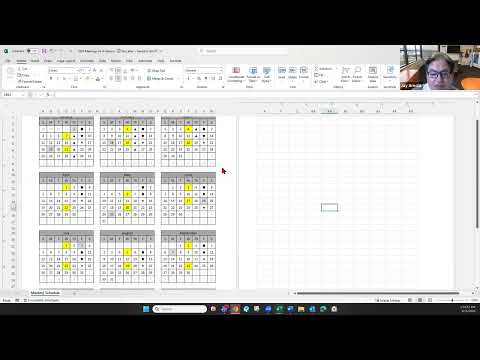
The Washington State Building Code Council Executive Committee on Dec. 5 approved a recommended 2026 meeting schedule and discussed the schedule and technical work needed to meet the council's code‑adoption timeline.
Staff told the committee it plans to file the meeting schedule with the Code Reviser after the executive committee's recommendation and recommended a Feb. 18 filing deadline for CR102 materials to preserve a May final adoption timeline. "The plan is to file this schedule with the code reviser," staff said during the meeting. Staff also said the Code Reviser filing will include a list of meeting dates and locations and supplementary documents such as the preliminary cost‑benefit analysis and small business economic impact statements, which staff hopes to post in early January for public review.
Members raised several operational concerns. Staff reported that an October–November RFP for a third‑party energy code analysis received no bidders because of the contracted timeline; staff plans to reissue the RFP and hopes to award a contract in January so the third‑party analysis will be available before final adoption. Greg Johnson noted Pacific Northwest National Laboratory (PNNL) is still finalizing credit assignments for the commercial energy code, and without that work the committee may face delays in publishing credit values and completing the small business economic impact analysis.
Committee members also discussed council membership turnover: staff noted five council seats will expire in January, and members generally continue to serve for 90 days unless replaced by gubernatorial appointment. Members said rapid turnover can leave newly appointed members with little time to review a code cycle before critical votes. Roger Haringa flagged timing constraints for meeting an anticipated November 2026 implementation date, saying the council would likely need legislative relief to meet that schedule if the council must sit through a full legislative session.
The committee agreed to move item 8 (CR102 filing documents and related reports) earlier on the January council agenda so substantive code discussion can occur sooner in the meeting. Staff said it will consult counsel on statutory filing mechanics and the ability to adjust implementation dates if legislation intervenes. Next steps include staff issuing and awarding the third‑party contract (target January), posting the preliminary cost‑benefit and small business impact statements for public review in early January, and filing the recommended schedule with the Code Reviser.