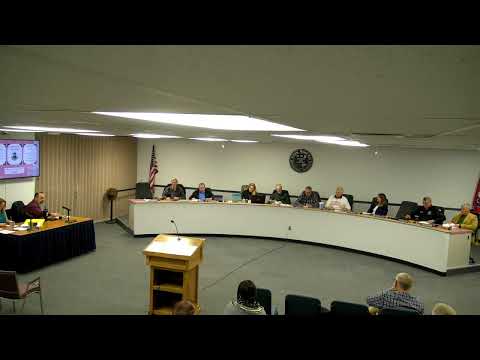
Loudon County Commission approves temporary moratorium on connecting large developments to roads under 20 feet
Loading...
Summary
The Loudon County Commission on Dec. 15 approved a 6–12 month moratorium that pauses connections of developments of 10 or more lots to county roads under 20 feet, after public comment and a 7–1 vote. Commissioners said the pause will allow legal review and input from the road superintendent.
The Loudon County Commission on Dec. 15 voted 7–1 to enact a temporary moratorium that halts connections of developments of 10 or more lots to county roads measuring less than 20 feet. Commissioner Shaver moved to adopt the 6‑ to 12‑month moratorium written by county attorney Bob Bowen; Commissioner Morrison seconded the motion and the commission approved it after debate.
The moratorium, as described by Commissioner Jacob during debate, was framed as a narrow pause "on connecting a development of 10 lots or more on a road of less than 20 feet," not a blanket ban on building. Jacob said the county will not pay to widen roads for developers and the pause will allow staff to determine legal constraints and implementation details.
Several members of the public urged both sides to consider local impacts. "A moratorium on building does not stop people from moving here," said Marie McHale of the East Tennessee Realtors Association, arguing restrictive rules can reduce attainable housing and displace longtime residents. She told commissioners that Loudon County’s median home price was about $570,000 and that many renters are cost-burdened.
Local developer Mark White told the commission the moratorium looked like "a cop out," saying restrictive zoning and rising land and labor costs are the primary drivers of higher home prices. Rich Anglin, citing road geometry, warned that increasing a road-width standard from 18 to 20 feet could make some back-road lots unbuildable and asked who would pay for upgrades.
Several commissioners said the pause is intended to solicit data and legal advice. One commissioner raised that previous testimony indicated the county road inventory had not been fully reviewed since 2002 and asked for Billy Pickles, the road superintendent, to provide an inventory and safety assessment. Commissioners also voiced concern about litigation risk if the moratorium’s factual basis is unclear.
The vote followed a period of public comment in which residents and property owners argued both for protecting rural road safety and for protecting property and development rights. The motion passed with one dissenting vote; the record reports the measure "passes 7 to 1." The commission indicated it may extend the pause or seek additional legal guidance as it reviews the road inventory, easements and the potential financial impacts of any road upgrades.
Next steps described by commissioners include soliciting input from the road superintendent and county legal staff and returning with clarifications on the moratorium’s scope and implementation requirements before any extensions or further action.