Lifetime Citizen Portal Access — AI Briefings, Alerts & Unlimited Follows
Iroquois County officials debate how to bill City of Watsika for joint 9‑1‑1 dispatch costs
Loading...
Summary
County officials discussed a proposed multi‑year contract with the City of Watsika to cover joint 9‑1‑1 dispatch costs and debated funding formulas — per person, per call or assessed value — with concerns about administrative burden and timing around collective bargaining.
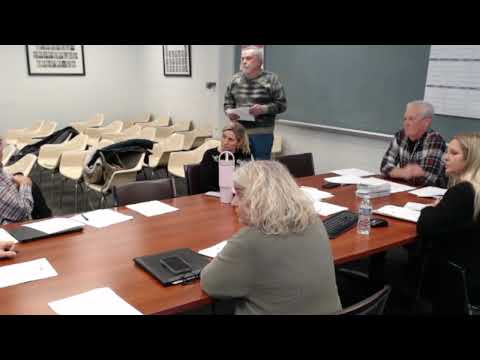
Iroquois County tax committee members spent a large portion of their meeting debating how the City of Watsika should contribute to the county’s joint 9‑1‑1 dispatch costs and whether to lock a multi‑year contract.
A Watsika representative explained the town’s proposal, saying the figure came from dividing an estimated $720,000 annual dispatch cost by the county population and multiplying by Watsika’s population. “It comes out close to a $126,000,” the speaker said, describing how that number was reached.
Committee members outlined three funding options: a flat per‑person fee (population), a per‑call fee (charges based on calls for service), or a formula tied to assessed value. Several members said population‑based billing had been used historically; others urged caution because 2020 census figures can be outdated in areas experiencing population decline.
Opponents of a per‑call charge warned it would create substantial administrative work. One member said tracking weekly or daily call counts would “put something on the dispatch center” and likely require staff dedicated to billing. Another noted mutual‑aid responses complicate assigning charges when multiple departments respond to a single incident.
Speakers also flagged that Watsika’s allocation is first used to cover local fire, police, ambulance and volunteer services before any remaining funds are divided among the county, the ETSB and the city. That formula, they said, affects how much revenue is actually available for joint dispatch.
County members recommended waiting until after current collective bargaining negotiations conclude before setting a fixed percentage increase. Participants discussed aligning any new start date with municipal fiscal years so budget cycles match.
No formal action to adopt a new contract or funding formula was taken at the meeting; members said they will continue discussions with municipalities and follow up after bargaining results are known.