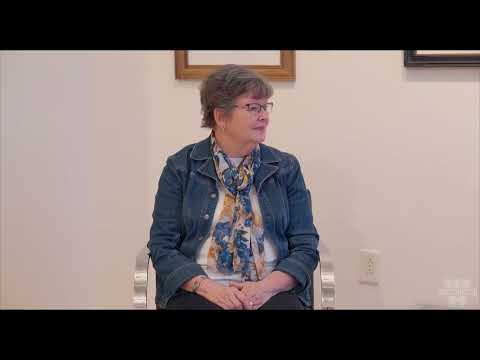
Longtime Worthington board member Jennifer reflects on 24 years of service and changing politics in schools
Loading...
Summary
Jennifer, a 24‑year member of the Worthington Board of Education, said she is stepping back after guiding the district through levies, construction and program expansion, while warning that state politics have increasingly intruded on local school decisions.
Jennifer, a 24‑year member of the Worthington Board of Education, reflected on her decision to step away from the board and the changes she has seen during more than two decades of service.
She told interviewers she was motivated to run by a family tradition of school involvement, recalling that “my parents were very involved in our school” and that friends and community members encouraged her to run in 2000 after her father’s death. She said the district’s early struggles included a contentious levy fight tied to her first campaign; “we had 3 people that were supportive of the levy and 3 that were trying to repeal the levy,” she said, and the pro‑levy slate won.
Why stay so long? Jennifer credited student needs, ongoing construction projects and family connections. “We had a group of people who were trying to repeal the levy… The levy was not repealed and the schools could move forward,” she said, adding that a grandchild entering kindergarten and major building projects made it hard to leave midstream.
She listed several board achievements that she said made her proud: hiring and promoting internal staff into leadership roles, contracting the policy firm Neola about a decade ago to keep board policy current, establishing all‑day kindergarten, creating Worthington Academy for students needing alternate supports, and developing a community “portrait of a learner” to guide instruction. “We added all day kindergarten… That was a great benefit to our parents,” she said.
Jennifer said she values community input. When the district faced budget shortfalls and proposed cuts years ago, she pushed to involve teachers and the community rather than relying on unilateral decisions by administration. That approach, she said, produced new ideas and buy‑in even though cuts were still necessary.
She warned that the dynamics around local school governance have shifted in recent years. “Now it’s become very political… They are getting very involved in things that should be local control,” she said, adding that legislators have started weighing in on matters the district once handled independently, including “where kids should go to the bathroom.”
On encouraging future volunteers, she urged people to begin with school‑level involvement such as PTA, task forces or advisory committees to learn the district. “You don’t have to have special qualifications… just cared a lot,” she said.
As she prepares to step back from the board, Jennifer said she will miss staff, administrators and the sense of being “in the know,” but looks forward to more time with family and volunteer opportunities. The interview closed with the district’s administration thanking her for her years of service.