Get Full Government Meeting Transcripts, Videos, & Alerts Forever!
Get email alerts on the Economic Development topic
No spam. Unsubscribe anytime.
Casper staff outlines industrial revenue bond program, council asks for policy and safeguards
Summary
City staff proposed an industrial revenue bond (IRB) program to help recruit and grow capital‑intensive projects, explaining IRB mechanics, tax‑exempt considerations and a proposed application process; council asked for clarity on fees, state volume cap and legal protections and directed staff to draft a resolution and policy for future council action.
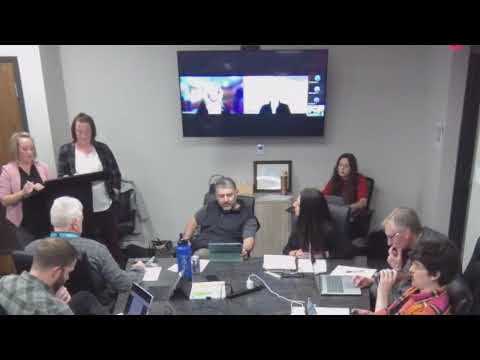
City staff laid out a proposed industrial revenue bond (IRB) or conduit debt program during the Dec. 9 work session, describing how IRBs could help finance large capital projects without creating city liability and outlining an approval and oversight process they say will protect taxpayers.
Liz Becker and Jill Johnson explained IRBs are a financing mechanism where the city nominally issues bonds but the project — not the city — repays them; staff emphasized that state statute and case law limit municipal liability. “Bonds are called conduit debt because while the city is the issuer... the city does not have any liability for the payment of the bonds,” Ms. Johnson said. Staff explained tax‑exempt status is determined by bond counsel and the IRS rules under a state volume cap; they noted Wyoming allocations are limited and that WCDA currently holds much of the state’s allocation.
Staff proposed a local approval process that would include an application fee (proposed $2,500), a staff IRB committee (community development, finance, legal), a scored evaluation of community benefits (jobs, local purchases, wages), and a requirement that developers pay bond counsel and underwriting costs. Staff also proposed an independent fiscal‑impact analysis (potentially via University of Wyoming, paid by the applicant) and annual reporting requirements from any project that receives IRB issuance.
Councilors asked questions about fee structure equity (flat fee vs. sliding scale), litigation risk if an application is denied, who benefits and the scale of projects appropriate for IRBs (staff suggested projects over ~$2M are typical), and whether offering IRBs would affect perceptions that the city is “bankrolling” private projects. City attorneys and staff said the legislature and case law vest discretion with elected officials, that fees can be set by council, and that the city can deny projects that do not meet policy findings; litigation is possible but unlikely to prevail where findings and procedures are followed.
Next steps: staff said they will prepare a resolution and policy outlining the proposed IRB application and approval process for council consideration and will return with recommended fee structure and draft policy language.