Divisions surface as committee approves superintendent’s evaluation with a 'needs improvement' composite
Summary
Using the DESE rubric, the committee recorded an overall 'needs improvement' composite for Superintendent Tracy Curley and debated the context and fairness of the rating; several members offered detailed written and oral comments defending or criticizing the superintendent.
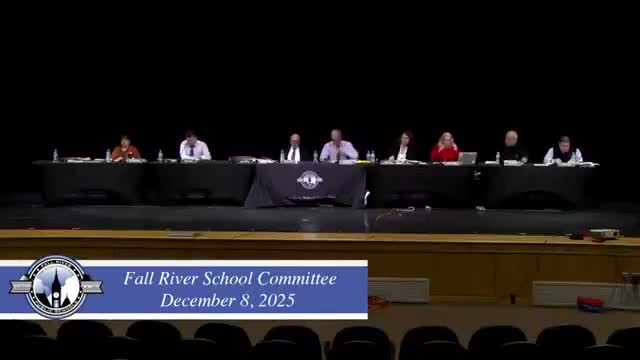
On Dec. 8 the School Committee completed a DESE-rubric-based evaluation of Superintendent Dr. Tracy Curley. The composite summative rating recorded during the meeting was “needs improvement.” Committee members who voted to approve the evaluation read individual comments into the record that reflected both criticisms of district performance and contextual support for Curley’s work.
According to the evaluation summary presented on the record, Curley received "needs improvement" in multiple standards (instructional leadership; management and operations; family and community engagement; and professional culture). The evaluation noted that Curley did not meet two of three identified goals and that parts of the work were not started in the identified timelines. The evaluating members recommended a six-month check-in and specific next steps including strengthened communication with the entire committee, clearer accountability for subordinates, a district strategic plan and increased fiscal controls.
Several committee members who gave the superintendent a lower summative rating read comments that explained the score and called for heightened accountability. Other members defended Curley, saying she inherited systemic problems and that hostile treatment of the superintendent by some committee members has hampered progress. One speaker used a metaphor of firefighters and a "dumpster fire" to describe the rocky start and argued that Curley's achievements should be assessed in the context of a challenging environment.
The committee voted to approve the evaluation for public posting. Some members objected that the composite released at the meeting lacked a compiled set of written comments on the composite itself; administration and the evaluation chair said each individual evaluator’s full evaluation would be publicly accessible and that the composite summary reflected aggregated judgments.
What’s next: Committee members recommended a six-month check-in on performance goals and asked the superintendent to develop a plan addressing communication, accountability and fiscal controls. The evaluation will be posted as a public document consistent with committee policy.