Speakers urge Babylon Town Board not to extend temporary battery storage moratorium
Loading...
Summary
At a Dec. 17 public hearing, residents, developers and labor representatives urged the Town of Babylon not to extend a temporary moratorium on utility-scale battery energy storage systems (BESS), citing updated state fire codes, grid reliability and affordability concerns; the board closed the hearing and reserved decision.
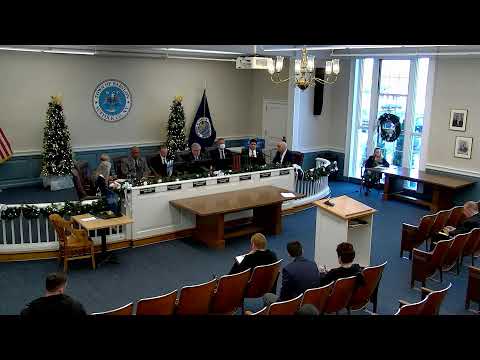
The Town of Babylon held a public hearing Dec. 17 to consider extending a temporary moratorium on battery energy storage system (BESS) facilities. Dozens of residents, energy developers and labor and environmental groups urged the board not to extend the moratorium and instead adopt local zoning and safety rules that would allow BESS projects to proceed.
Nick Warilla, of Mineola, told the board BESS "plays a critical role in the modern electric grid," saying the technology stores energy when supply is abundant and delivers it during high demand. He cited a Long Island Energy Storage Summit and FDNY input, and said the state's updated fire-safety rules — which he said will take formal effect in 2026 — require independent engineering review, 24/7 monitoring, emergency-response plans and mandatory first-responder training.
Lucia Yu, a project developer at Key Capture Energy, said Long Island's high energy costs and geographic constraints make BESS important to keeping rates down and preventing outages. Yu urged the board to "leverage available resources, including NYSERDA's clean energy siting team and their battery energy storage system guidebook, NFPA 855 standards, and zoning codes passed by other municipalities" when drafting local rules.
Babylon resident and utility-industry professional Kevin Bridal tied the moratorium to household energy bills, saying BESS "helps the grid operate more efficiently and reduces the need for the most expensive power when demand is the highest." Bridal asked the board to "lift the moratorium on battery storage, so we can get back on track to delivering affordable, reliable energy."
Representatives from Citizens Campaign for the Environment and Climate Jobs New York urged the board to move quickly to adopt codes that enable safe siting and create good union jobs. Joseph Stallone, speaking for the New York League of Conservation Voters, opposed extending the moratorium and cited industry and EPA data indicating high deployment growth and declining incident rates.
Speakers repeatedly referenced updated New York State fire-safety guidance and national consensus standards; several urged the board to craft local regulations that mirror state rules and include siting, monitoring and emergency planning requirements. Many asked the town's BESS committee to continue stakeholder engagement with fire officials, developers, utilities and community members.
The board closed the public hearing after public comment and "decision reserved," meaning no final action was taken at the Dec. 17 meeting. The hearing record and testimony will inform future deliberations and any ordinance or local law the board elects to propose and vote on.
Next steps: the town board reserved decision on the moratorium extension; any formal local law or ordinance would return to the board for further consideration and a vote at a later meeting.