BSRB advisory committee hears operations updates: background checks, licensing changes and CE tools
Summary
The BSRB executive director reported on operations: a planned requirement for background checks for new license applicants (opt‑in for current licensees), migration to the state's enterprise licensing system, free CE Broker accounts for licensees, and proposed jurisprudence webinars launching soon.
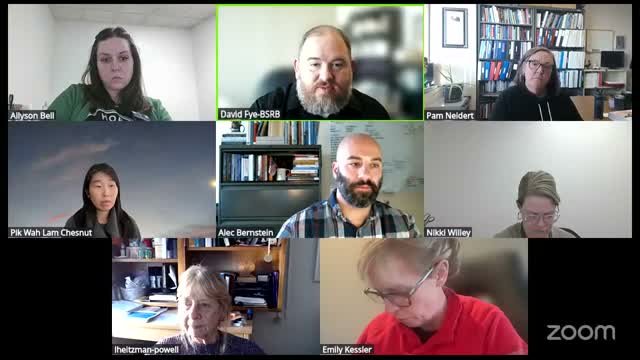
At the Dec. 12 advisory committee meeting, David Feige, executive director of the Kansas Behavioral Sciences Regulatory Board, reviewed a slate of operational and legislative matters affecting licensees.
Feige said the board voted to require background checks for new applicants to align with multistate compacts and provide an opt‑in mechanism for current licensees who want to complete checks to qualify for compact privileges. He said staff are working with the licensing vendor to build tracking for background checks and to finalize regulatory language; training and system changes must clear the Department of Administration and the Attorney General's office before implementation. The executive director estimated the applicant cost for fingerprinting at about $53–$57 and said the board hopes to begin the requirement in early 2026.
Feige also reviewed non‑regulatory changes the agency has implemented in the past five years: a new state enterprise licensing system (Acela) migration underway, a new online payment portal, revised document‑retention that freed office space by transferring archived files to the Historical Society, and an increase in staff from nine to 12 to handle growing licensee volumes. He said the board plans to launch jurisprudence webinars later this month and aims to finalize draft survey reports and a cross‑profession comparison report by December for review at the January board meeting.
Why it matters: Background checks affect licensing processes and compact eligibility for members who want to practice under interstate agreements. The agency's technology and outreach updates — including free CE Broker accounts for licensees and potential CE coordination with ACE providers — are intended to simplify renewals and continuing education tracking.
What’s next: Staff will circulate final reports and scheduling information; the advisory committee set its next meeting for Feb. 13, 2026 and discussed 2026 workplan items including AI guidance, supervision rules, and alternative licensure pathways.