
Heated debate in Dimmit County court leads to limits on commissioner deliveries and expanded ordering role
Get AI-powered insights, summaries, and transcripts
Subscribe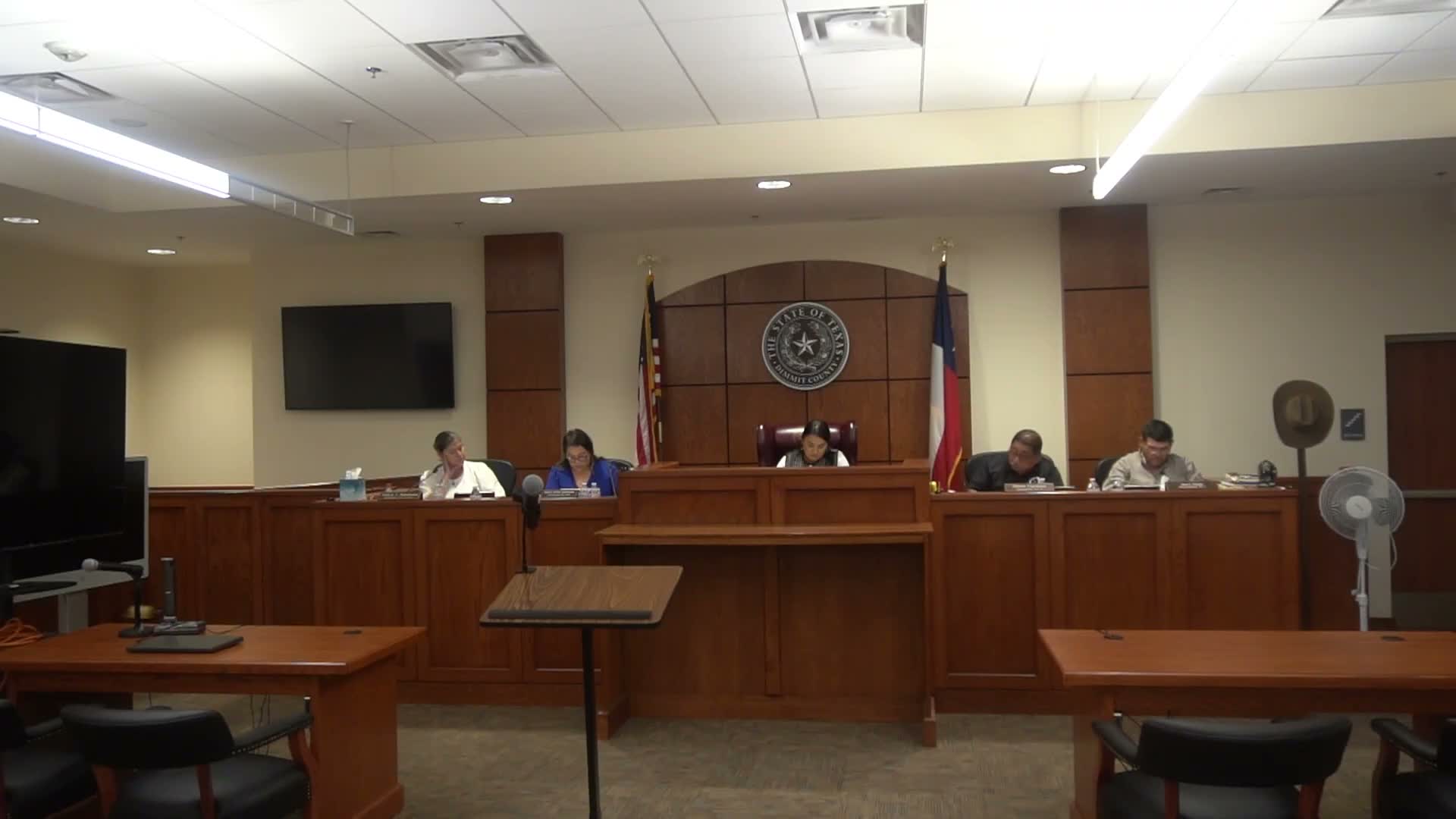
Summary
A long, emotional debate over who may order and distribute donated food led the court to allow one commissioner to participate in food ordering while prohibiting commissioners from personally delivering commodities unless following South Texas Food Bank rules. Commissioners and staff cited prior misuse, missing gift‑card distributions and fairness concerns.
Commissioners spent an extended portion of the meeting debating procedures for ordering and distributing food from the South Texas Food Bank. The discussion covered who is responsible for ordering commodities, whether commissioners may individually order or deliver food, and complaints about missing gift cards and perceived unequal treatment of constituents.
Staff and the county commodity clerk were identified as the primary parties responsible for ordering and tracking distributions. Several commissioners said they had historically ordered or delivered food for homebound or elderly constituents and argued that allowing precincts to order would better serve their registered clients. Others said inconsistent practices had caused confusion and potential risks to the county’s participation in the regional food‑bank program.
Commissioner Talamantes asked for participation in the ordering process; the court debated but ultimately approved a motion permitting that commissioner to be included in ordering procedures while directing that commissioners shall not perform deliveries on behalf of the county unless explicitly following the food bank's rules. Court members emphasized transparency, documentation, and that the commodity clerk remains responsible for inventory, audit and reporting.
The court also instructed staff to review records and to maintain strict inventory and time‑sheet controls to prevent misuse, and asked the commodity clerk to coordinate with the food bank on distribution lists and eligibility.