
Freestone Commissioners review retiree COLA options; no change to 1% flat COLA at meeting
Get AI-powered insights, summaries, and transcripts
Subscribe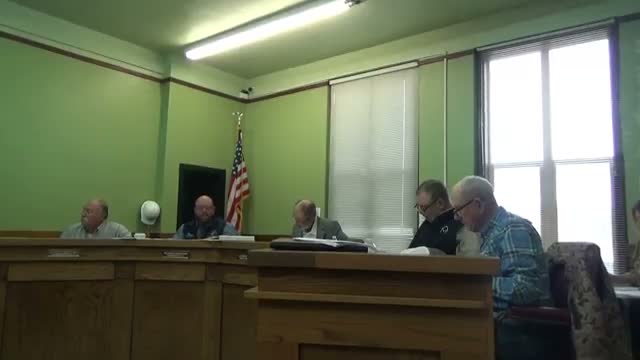
Summary
Texas County & District Retirement System (TCRS) representatives outlined the cost and funded‑ratio effects of switching from an already‑approved 1% flat COLA to a 10% CPI‑based COLA; commissioners were told the 1% option would cost about $229,944 overall and the larger CPI option would add roughly $20,817 per year over 15 years; the court took no action to change the prior decision.
Representatives from the Texas County & District Retirement System presented cost estimates and funding impacts for potential cost‑of‑living adjustments for Freestone County retirees.
Greg Ashcroft and Richard (TCRS representatives) explained that a 1% flat COLA across all retirees would cost the county about $229,944 and keep the funded ratio near 90.1%. They said a 10% CPI‑based COLA would increase the liability and reduce the funded ratio below 90%. The presenters noted the unfunded actuarial liability shown in materials as roughly $3,557,003.
Commissioners discussed the tradeoffs between modest, recurring increases (1% flat) and a larger, retroactive CPI‑based boost that would catch up past retirees but increase near‑term budget liabilities. The court discussed funding options, including prefunding or amortizing a COLA over 15 years, and was told that moving to the 10% CPI option would add about $20,817 annually when annualized over 15 years — roughly translating to about $24 per retiree per month on average according to presenters’ calculations.
Because the court had previously approved the 1% flat COLA, members decided not to change that commitment at this meeting; staff and TCRS will remain available for follow‑up actuarial questions.