
Freestone County hears extensive public comment on proposed tax abatement for large data center
Get AI-powered insights, summaries, and transcripts
Subscribe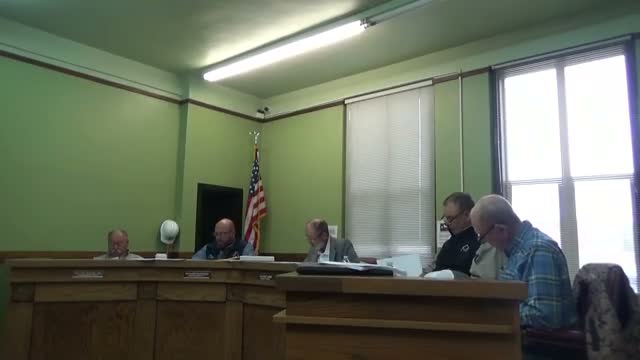
Summary
At a public hearing, developers outlined a multi‑phase data center project proposing a 50% tax abatement for 10 years and an initial $850,000 annual pilot payment to Freestone County; residents pressed the court on water use, noise, traffic and grid impacts, and developers offered mitigation plans and studies.
A public hearing in Freestone County on a proposed tax abatement with C1 Freestone 1 LLC drew detailed questions from commissioners and residents about water, noise, jobs and tax revenue.
Developer representatives told the court the project would start with roughly $600 million in real property improvements and could expand to more than $2 billion through subsequent phases. The company proposed a 50% split of tax revenues for the first 10 years and said the county would receive about $850,000 per year from the initial real‑property pilot payment, with additional revenue possible when tenants add personal property to the site.
Residents and commissioners asked how much water the facility would use. The court noted “the proposal stated 1,150 gallons a day.” The developer representatives described the site’s cooling as a closed‑loop system and said that ongoing domestic water needs would be small, and that they would explore an arrangement with the nearby Calpine plant for water if required. The developer offered to provide the county with water‑use documentation and a sound study.
Noise and traffic were recurring concerns. A company representative said the project’s chillers and generators would be mitigated and that “we’re typically in the range of 45 to 50 dB at the property line,” adding the firm conducts sound studies for every project. The developer also described planting or siting choices and monthly county meetings as part of community engagement to address complaints during construction and operation.
Commissioners sought clarity on electricity demand and grid effects. Developers said data centers use significant power but maintain agreements to curtail loads during emergency events to return capacity to the grid, and that the project is intended to leverage existing plant infrastructure rather than require a new peaker plant. The court requested written documentation of those arrangements.
On jobs, the developer estimated about 40 permanent positions tied to the initial real‑property phase, with substantially more jobs possible when tenants bring additional equipment and operations. The court noted school districts would not be exempted under the proposed arrangement and would continue to receive full property tax revenue.
No formal vote on the abatement was recorded during the hearing. Commissioners and the developer agreed to continue information sharing, including the developer’s sound and water studies, and to hold follow‑up discussions about mitigation and phase‑by‑phase terms.