Get Full Government Meeting Transcripts, Videos, & Alerts Forever!
Get email alerts on the Land Use Overlay topic
No spam. Unsubscribe anytime.
Residents and preservation groups press Charleston County to change proposed 10 Mile overlay
Summary
Multiple residents and community leaders urged the county to revise the proposed 10 Mile Historic District overlay, asking to keep rural residential lots at one home per three acres, tighten subdivision and coverage rules, and add a mechanism to manage pace of growth; speakers also raised concerns about Mount Pleasant annexations.
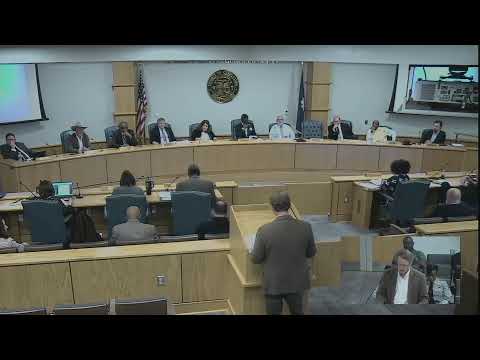
Residents and community groups urged Charleston County Council to revise a proposed overlay for the 10 Mile Historic District, saying the current draft does not reflect the community’s requested changes on density, subdivision limits and building coverage.
Carla Pinkney, co-chair of the 10 Mile Neighborhood Association, said the community met with staff more than 10 times and wants the rural residential area to remain one home per three acres, while the proposed overlay would allow one home per acre in that zone. Pinkney said the neighborhood also requested smaller maximum building coverage and wider minimum lot widths and asked the council to “listen to your constituents and believe us.”
Fran White, speaking for residents, said Mount Pleasant’s annexations are removing acreage from the historic district and urged county assistance to resist those annexations. White said the town’s requirement that annexed properties connect to sewer is changing the district’s integrity and estimated the county could lose at least 30 acres from the 10 Mile district.
Ed Pinkney and Leonard Brown, both residents, asked the council to include a growth amendment to control the pace of development and to consider subdivision and affordability impacts on long-term residents. Brown said some landowners want affordable options but are not developers and asked the council to consider the value consequences of restrictive lot rules.
Matt Williams, CEO of the Lowcountry Land Trust, thanked the council for Greenbelt funding and described recent conservation purchases made with county and state partners, urging continued support for land-protection partnerships.
Council members indicated they would revisit the overlay when that item appears later on the agenda. The record shows multiple, specific requests from the neighborhood association — including a proposed major subdivision amendment limiting new lots, minimum lot widths of 100 feet (125 for waterfront), and maximum building coverage near 20% — and residents asked for a formal mechanism to update the overlay as community conditions evolve.