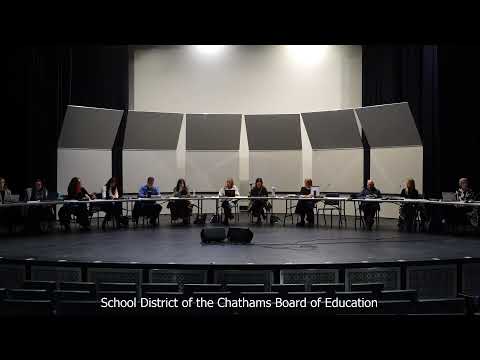
Supreme Court declines review of Chatham school curriculum suit, board says litigation is over
Loading...
Summary
Board member Miss Weber told the School District of the Chathams Board that the U.S. Supreme Court denied a petition for certiorari in a seven‑year First Amendment lawsuit, ending further appeals and halting additional taxpayer legal costs.
Miss Weber, speaking for the board, announced that the U.S. Supreme Court has denied a petition for certiorari in a long‑running First Amendment lawsuit challenging middle‑school instructional materials, effectively ending further appeals.
The case began in 2018 when a parent filed a complaint alleging the district promoted a particular religion in classroom materials. That suit was dismissed at the district court level and the dismissals were affirmed by the U.S. Court of Appeals for the Third Circuit on subsequent appeals. According to Miss Weber, the most recent certiorari petition was filed this past September and the Supreme Court denied review "today," which she said means "we can put this to bed" and will stop additional attorney fees and depositions.
Miss Weber summarized the appellate findings that were cited repeatedly through litigation: the challenged lessons surveyed multiple religions to teach world culture and were found to have a secular purpose; judges described the curriculum as "informative and not devotional" and applied a "reasonable observer" standard that concluded the material reflected cultural literacy rather than endorsement. "This case is finally done," Miss Weber said, characterizing the sequence of rulings as a series of affirmations for district instruction.
Board members used the announcement to thank teachers for their curriculum work and to note the toll the litigation took on staff time and district resources. The board did not take any additional legal action during the meeting; Miss Weber framed the development as a final judicial resolution that ends the district’s exposure to further appellate fees related to this matter.
The board’s published minutes and the district’s counsel retain the full litigation record; the board said it will move forward focusing on instruction and not on continued litigation.