Council approves Midtown business‑improvement district after mixed testimony
Loading...
Summary
Following hours of testimony both supporting and opposing the plan, the Metropolitan Council approved the Midtown Central Business Improvement District ordinance on third reading, 30–2–1. Supporters cited neighborhood‑led planning for beautification and safety; opponents raised concerns about transparency, coercive assessments and private security oversight.
The Metro Council voted to create a Midtown central business improvement district (CBID) after a public hearing that included residents and business owners both in support and in opposition.
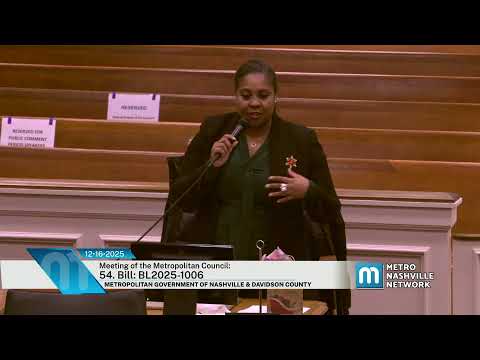
Supporters from neighborhood HOAs and a steering committee described a community‑driven plan to invest in clean‑up, lighting, restrooms and neighborhood beautification. "Our goal is to help provide a safer place to live and work," said Emily Schneller, representing an HOA in the district. The sponsor, Council Member Coopin, framed the district as a way for neighbors to invest in their area and for the Council to retain oversight by approving budgets and board governance.
Opponents questioned whether the process was truly representative of property owners and whether CBID revenue constitutes coercive, ongoing assessments that the Council must oversee more strictly. Steve Reiter and other speakers raised concerns about prior Downtown Partnership actions and requested clearer budgetary oversight. Several residents said property owners could form BIDs without Council action and asked why the Council should create one on their behalf.
After debate, Coopin moved approval; the ordinance passed on its third and final reading by roll call, 30 in favor, 2 opposed and 1 abstention. Sponsors and supporters noted that the Council will retain budgetary review and require the CBID’s proposed budget and security practices to be reviewed by Council.
What’s next: The Midtown CBID is authorized under state law; the Council’s approval triggers the next steps in forming the district and establishing its advisory board and budget oversight processes.