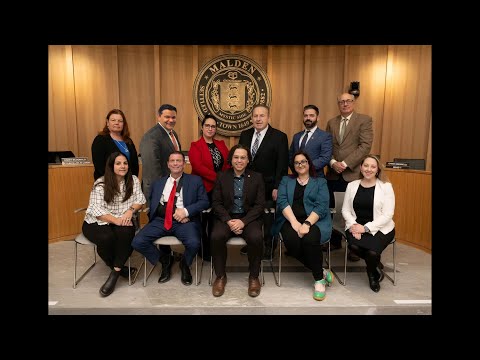
Council forwards solicitor’s findings to Attorney General after heated debate over alleged serial deliberation
Loading...
Summary
After a city solicitor found no technical quorum during outreach about an appointment, several councilors disputed the findings and the council voted to send the solicitor’s report — with a note about outstanding questions — to the Massachusetts Attorney General for review.
The Malden City Council voted to forward a city solicitor’s investigation into an open‑meeting‑law complaint to the Massachusetts Attorney General after several councilors said the solicitor’s findings raised further questions.
City Solicitor McNeal reported she had investigated a complaint filed by Councilor Cica alleging that Councilor Colon Hayes engaged in coordinated outreach to multiple council members about a mayoral appointment in a manner that amounted to serial deliberation. McNeal said she reviewed voice mails, texts and interviews and concluded the communications did not "amount to a quorum as it related to deliberating on an agenda item," but she issued an admonition about ‘‘daisy chain’’ communications and cautioned councilors to avoid private deliberations.
Councilor Cica disputed the conclusion, describing voicemail and text evidence that, she said, showed an intent to influence a quorum. She said she would send the complaint to the Attorney General for review; "I will be sending this open meeting law complaint to the state attorney general's office for further review," she said. Several other councilors echoed concerns and expressed support for an appeal to the Attorney General.
Councilor O’Malley moved — and the council voted in a recorded roll call — to accept the solicitor’s report and forward it to the Attorney General, with a cover note noting the council had additional unresolved questions and that new evidence had emerged during the council meeting. The clerk recorded the vote and the council instructed the solicitor to transmit the file and the additional context to the Attorney General’s office for any further action.
The council’s action does not itself adjudicate whether a violation occurred; the Attorney General’s office determines final disposition and any sanctions under the Open Meeting Law.