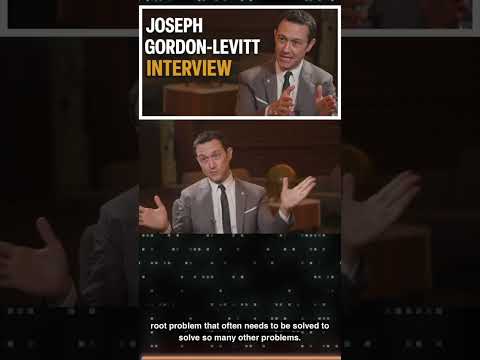
Guest at UN summit urges governments to curb attention-maximizing algorithms
Loading...
Summary
At the World Summit on the Information Society, a guest identified as Joe told UN News that platform business models that optimize for attention are driving mental-health harms, polarization and extremism and urged governments to step in to regulate algorithmic design while allowing companies to remain profitable.
Joe, a guest at the World Summit on the Information Society, told UN News that governments should take a more active role in shaping how digital platforms operate. "The best way to make the most money is not so good for people," he said, arguing that current business models incentivize attention-maximizing algorithms that produce broad social harms.
Joe said the effects are visible across public life: "There's a global crisis in mental health and loneliness. There's a rise in polarization, extremism, and authoritarianism," he said, tying those trends to algorithmic designs that "hook you and keep you for as much time as possible" because that behavior maximizes advertising revenue.
The guest framed governance of digital technology as a "root problem" that intersects with economic policy, public health, environmental outcomes and criminal justice. He said that much of solving those problems depends on how societies communicate and collaborate online, and that digital technology is central to those processes.
On policy response, Joe urged governments to act rather than remain hands-off. "This is why I'm here advocating for governments to kinda get in the game," he said, adding that platforms could continue to make money while reducing harmful features: "If you can maybe just stop a few of these things, like these attention maximizing algorithms, you can still make money, but maybe slightly less money and not break the world."
The interview did not record a formal proposal or specific regulatory text. The remarks were framed as a call for governments to change their stance and engage in governance of digital technology. The segment concluded with the guest reiterating that prolonged governmental noninvolvement has not worked and that it is time for policy change.
No formal votes, motions, or commitments were recorded in this interview segment; the exchange consisted of an interviewer question-and-answer with a single guest at the United Nations event.