Get Full Government Meeting Transcripts, Videos, & Alerts Forever!
Get email alerts on the Environment topic
No spam. Unsubscribe anytime.
Environment Commission outlines invasive‑plant removal, trail stewardship and open‑space goals
Summary
The commission described volunteer trail stewards, invasive‑species removal efforts (Boulder Knoll, Fen Road), forester visits, partnerships with Cheshire Land Trust and Quinnipiac Valley Audubon Society, and modest funding requests for management and education.
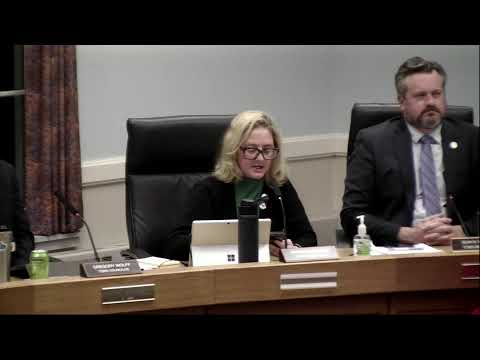
Karen Schnitzer and Laura Monty presented the Environment Commission's annual update to the Town Council on Dec. 16, outlining priorities for the coming year and recent accomplishments.
Schnitzer described the commission's mission to protect Cheshire's natural resources and promote responsible use of open space. She said the commission currently has seven appointed members and emphasized volunteer engagement and interdepartmental collaboration with Parks and Recreation, Planning and Zoning, and Public Works.
John Golic and Laura Monty highlighted formation of the Cheshire Trail Stewards, a volunteer group modeled on a Wallingford program, whose top priority is removing invasive plants. "Invasive plants are like when you invite people over to your house, and they don't leave," Monty said, describing labor‑intensive removal work and the group's need for more volunteers.
The commission reviewed recent forester visits and informational reports on Voring Brook, D. Dominguez and Yankee Highlands; work to reclaim hiking trails at Boulder Knoll and Fen Road; and coordination with the Cheshire Land Trust and Quinnipiac Valley Audubon Society to protect riverfront property and wildlife habitat. Members also described advising the disc golf course designers on trail siting and protecting American chestnut saplings found on the property.
Planned actions include continuing invasive plant removal, updating open‑space management plans following forester walk‑throughs, expanding volunteer partnerships (YMCA, high school, scouts), and pursuing modest funding to support educational programming and equipment. The commission asked the council to continue advisory support and noted it is strictly advisory and cannot enact binding regulations.
Councilors thanked the commission and suggested stronger outreach to schools and the YMCA to involve students and volunteers; staff said they have begun discussions with school and YMCA representatives about potential spring projects.