Get Full Government Meeting Transcripts, Videos, & Alerts Forever!
Get email alerts on the Governance Procedure topic
No spam. Unsubscribe anytime.
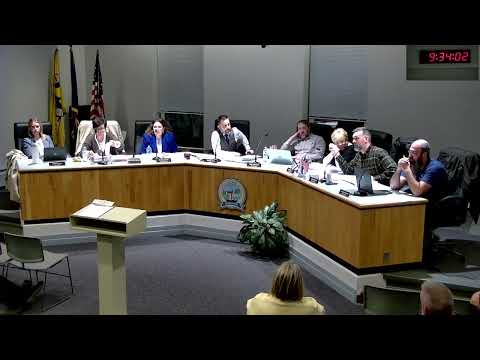
Long procedural fight over mayor’s authority dominates Lapeer City Commission meeting
Summary
A lengthy dispute consumed the Dec. 1 Lapeer City Commission meeting after Commissioner Brady appealed the mayor’s authority to make motions and debate procedural issues; the appeal was defeated and commissioners later approved several agenda amendments and procedural clarifications for future meetings.
A Dec. 1 Lapeer City Commission meeting was dominated by a prolonged argument over parliamentary procedure after Commissioner Stephen Brady challenged the mayor’s authority to make motions and deliberate from the chair.
Mayor Jeremy Hing opened the meeting with a prepared statement saying the commission follows the city charter, its rules and procedures and then Robert’s Rules of Order, and that as presiding officer he retained member participation rights. “In small deliberative bodies such as ours, the presiding officer retains full participation rights of member,” the mayor said during opening remarks.
Commissioner Brady responded with a point of order and then a formal appeal of the chair’s authority to deliberate on procedural matters, arguing the mayor should remain impartial while presiding and citing sections of Robert’s Rules. “I appeal the ruling of the chair,” Brady said when he moved to bring the question to the full commission.
The body debated whether Lapeer’s commission should be treated as a “small board” under Robert’s Rules, which allows different practices than in larger assemblies, and whether making a motion and voting are functionally inseparable. City staff and the city attorney provided advisory comments about custom, charter provisions and the role of Robert’s Rules as a fallback.
After extended discussion and several attempts to call the question, the clerk took a roll-call vote on Commissioner Brady’s appeal. Commissioners Lenny Atwood and Brady voted in favor of the appeal; Commissioners Linda Glisman, Melissa Petrie and Linda McCarthy voted against it. The clerk announced the appeal was denied, leaving the mayor’s initial interpretation intact.
The meeting then shifted into a tangle of agenda amendments and further procedural motions. Commissioners debated whether to approve the agenda as presented and ultimately defeated the initial motion to adopt it. Subsequent votes amended the agenda: Commissioner McCarthy successfully moved to postpone a proposed ordinance-introduction procedure (agenda item G-2) to the Dec. 15 meeting for additional review and to limit action to discussion at this meeting; the commission also voted to add explicit actionability to a separate housekeeping item (H-2).
The commission’s extended exchange included a broader dispute about whether the mayor’s emails to staff and to individual commissioners about seating arrangements created a de facto directive and whether such communications risked violating open-meeting principles. That controversy prompted a separate motion from Commissioner McCarthy to place a formal seating-assignment rule on the agenda for Dec. 15; debate on that motion continued without a recorded vote before the meeting transcript ends.
What happens next: The commission postponed several items for Dec. 15, including a procedural review of agendas and a proposed ordinance-introduction process. The seating-arrangement proposal remains unresolved and may return to the Dec. 15 agenda.