SELPA director warns of rising special-education needs and federal funding gap
Loading...
Summary
Scott Turner, director of the East San Gabriel Valley SELPA, told the Azusa Unified board Dec. 16 that statewide special-education enrollment has risen while overall K'12 enrollment declines, leaving districts to cover more costs; Turner urged continued advocacy for increased federal IDEA funding.
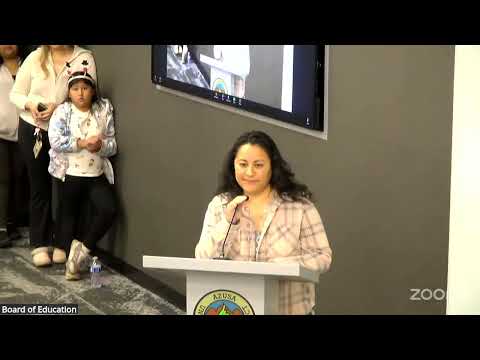
At the Dec. 16 Azusa Unified School District Board meeting, Scott Turner, director of the East San Gabriel Valley Special Education Local Plan Area (SELPA), told trustees that districts are serving more students with disabilities even as total K'12 enrollment declines.
Turner cited state data showing K'12 enrollment slipped from about 6.2 million in 2014'015 to about 5.8 million in recent years, while the number of students identified for special education grew from roughly 647,000 to about 814,000. "We're now serving almost 900,000 students with disabilities in California," Turner said, noting that the count increases when birth-through-age-22 services are included.
Turner described local SELPA trends mirroring statewide shifts: Azusa and other East San Gabriel Valley districts have seen declining overall enrollment but an uphill share of students eligible for special education, with rising rates of autism and students with more-significant needs. He outlined regional "provider programs" that serve students with higher needs, including life-skills and intensive support classrooms and an adult-transition partnership that places students in internship rotations at Kaiser Baldwin Park.
On funding, Turner said federal and state dollars do not cover the full cost of mandated services. He described IDEA's 50th anniversary and advocacy to increase federal funding, noting "districts are seeing less than 10% of their special-ed costs covered by federal resources" and that California receives about 10% of the federal appropriation despite spending significantly more on special education statewide.
Board members pressed Turner on advocacy tactics and supports for students aging out of school services. Turner said previous advocacy trips to Washington included parents and students and cited the Lanterman Act and regional centers (San Gabriel Pomona Regional Center) as primary post-secondary supports for adults with disabilities.
Why it matters: as districts serve a higher share of students with disabilities, local budgets and program planning must adapt, and SELPAs are pushing for federal and state action to reduce local general-fund pressure.
What's next: the board and district staff may follow up with SELPA staff on program placements and resources for families transitioning to adult services; SELPA maintains resources and live links for trustees and the public.