Lifetime Citizen Portal Access — AI Briefings, Alerts & Unlimited Follows
BMZA pauses vote on 150‑foot cellphone tower after residents press for more engineering and outreach
Loading...
Summary
After neighbors raised concerns about notice, safety and health effects, the BMZA agreed to postpone a conditional‑use request for a 150‑foot monopole at 300 South Alamont so the applicant can provide a clearer engineering fall‑zone certification and do more community outreach.
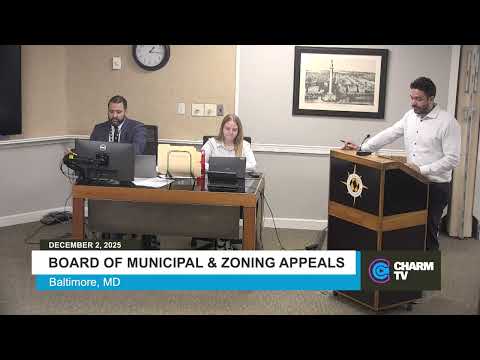
The Baltimore Board of Municipal and Zoning Appeals postponed consideration of a conditional‑use request for a 150‑foot telecommunications monopole at 300 South Alamont after sustained public opposition and questions from board members.
Doug Sampson, an attorney representing the applicant, described the proposal as a replacement for existing rooftop antennas that must be removed because the building is unsafe. He told the board the proposed pole, about 800 feet from the current site, would replace coverage currently on the deteriorating rooftop and would host three colocated providers including Verizon, AT&T and T‑Mobile.
Residents who testified said they learned of the project only from small posted signs and called for more community engagement. Greta Willis, president of the Mount Olivet Community Association, asked the board to postpone the case until state and city officials could explain what benefits the project would bring to the neighborhood and how residents would be protected.
American Tower representative Julie Erb said the company would like to remove the rooftop equipment before winter because the existing roof is unsafe, described a permitting timeline that includes about 60 days for a building permit plus one to two months to mobilize and construct, and said the constructed facility would be unmanned aside from quarterly maintenance visits.
Board members focused questions on whether the public posting met BMZA rules and whether the applicant’s engineering documentation adequately explained the tower’s fall radius. Planning staff had asked for clarification because the application included an engineer’s statement describing a zero‑foot fall radius.
Sampson told the board the tower manufacturer and the applicant’s engineers certified the fall radius as effectively zero but agreed to provide a clearer, updated engineering certification if the board required it.
Given the number of neighbors who came forward and the outstanding technical documentation, the chair offered a postponement rather than a denial, noting a denial would bar resubmission for 12 months. The applicant agreed to request a postponement, to seek a better engineering certification, and to provide direct contact information to the neighborhood association so residents can receive application materials and follow‑up information.
The board did not take a final vote on the merits; it postponed the matter to allow the applicant to return with additional engineering documentation and evidence of further community outreach.