Get Full Government Meeting Transcripts, Videos, & Alerts Forever!
Get email alerts on the Parks And Recreation topic
No spam. Unsubscribe anytime.
Minnetonka park staff review 15–20 year parks, open space and trails plan and public engagement results
Summary
City staff reviewed the Parks, Open Space and Trail Plan — a 15–20 year guide adopted in 2022 — highlighting public outreach, trends since COVID, system metrics and priority initiatives for implementation and funding.
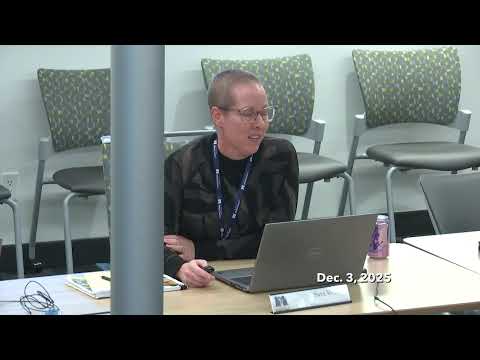
Staff presented the Parks, Open Space and Trail Plan (the "post plan"), which the Park Board adopted on April 6, 2022, and the City Council approved on April 25, 2022. Sarah Westy, assistant recreation director, described the document as "essentially it's a 15 to 20 year plan to guide the vision goals and implementation of our investments for our parks open spaces and trails." The plan, she said, was prepared over roughly 14 months and includes repeated public and board review prior to adoption.
The presentation summarized public engagement and system metrics. Minnetonka Matters, an online engagement platform, logged about 2,600 visits and 689 people who actively engaged with outreach tools during the planning process, Westy said. Staff also reported that 71% of Minnetonka residents live within a 10‑minute walk of a park, compared with a national average of roughly 55% cited in the plan.
Staff highlighted trends that shaped the plan — increased demand for informal recreation coming out of the COVID period, an aging population and rising racial and ethnic diversity, climate resiliency considerations, and stronger interest in specialized amenities such as pickleball courts, year‑round aquatics, climbing/bouldering, skate facilities and expanded trails. "People want to be outside. We want to be in our park," Westy said.
Park staff also reviewed the plan's implementation elements. Matt (parks staff) described a "priority initiatives" table that groups recommendations by facilities, plans and studies, programming and operations, and noted that projects will be advanced through a mix of grants, the capital improvement program and operational budgets. He identified upcoming master plans and studies on the city’s project list — Glenlake Park skate‑park feasibility, Purgatory Park master plan work, Big Willow master planning, and work to advance access to Cullen Nature Preserve — and said translating the plan's priorities into budget requests will be central to realizing projects.
Board members asked clarifying questions about how priorities were determined, whether the post plan is a "living" document, and how outreach shaped specific recommendations. Staff said master plans and the implementation table function as the living elements and indicated that some items (for example, off‑leash dog issues) rose in priority as a result of subsequent master planning work. Staff encouraged the board to use the plan as a guide when reviewing specific master plans and budget proposals.
The presentation closed with staff noting that many of the plan’s elements will be applied directly in upcoming master‑planning processes and CIP discussions, and that more detailed budget and design work will follow as individual projects move from concept to implementation.