Germantown School District outlines how it is implementing Wisconsin’s Act 20 on early reading
Loading...
Summary
On its GTOWN Life podcast, district guests described how Germantown School District is aligning existing curriculum work with Wisconsin’s Act 20: three-times-per-year screeners for K–3 (AIMSweb and diagnostics), individualized reading plans, targeted interventions delivered by reading specialists or classroom teachers, and regular family communications.
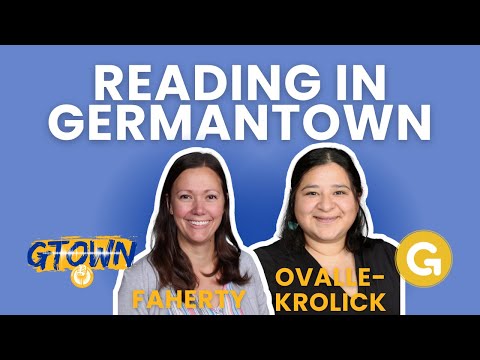
Germantown School District used an episode of its GTOWN Life podcast to explain how the district is putting Wisconsin’s Act 20 into practice for early reading instruction. Guests on the episode described a system of universal screeners, targeted diagnostics, individualized reading plans and increased, scheduled communication with families.
The guests said Act 20 aligns with work the district had already started: a curriculum resource review designed to bring continuity across grades and buildings. That prior work, they said, made it easier to match identified student needs with intervention resources and to extend supports beyond students who would previously have qualified for intervention.
The district’s screening approach uses AIMSweb as a universal screener plus additional diagnostic tools. According to the podcast, 4K students are screened twice a year (fall and spring) while kindergarten through third grade are screened in the fall, winter and spring. Screening results are used to flag students for diagnostic testing, to create personal reading plans when appropriate, and to guide progress monitoring.
Interventions are chosen to address specific skill deficits rather than applying a single, uniform program. District guests explained that support can be delivered by a reading specialist or by a classroom teacher, depending on the student’s needs, and that teachers use screening and progress-monitoring data to adjust instruction.
Family communication is a notable change families should expect, the guests said. Families will receive scheduled updates tied to the fall/winter/spring screening cycle that explain how students are progressing toward goals and provide family-friendly activities mapped to the skills identified in diagnostic reports. Each elementary building has a reading specialist and families were encouraged to contact their child’s classroom teacher or building reading specialist with questions.
The podcast framed the district’s implementation as an extension of existing practice rather than an abrupt overhaul: the guests emphasized that many teachers were already using research-aligned practices and that Act 20 provides additional structure—screening cadence, diagnostic follow-up and formalized family communications—to support consistent instruction and monitoring across the district.
The episode closed with the host thanking the guests and reminding listeners that district staff are available to support families who have questions about reading progress and Act 20 implementation.
The district did not announce any new policy votes or budget changes on the episode; details shared were limited to screening cadence, instructional alignment, roles for reading specialists and family outreach.