
RSU 06 BAC hears budget presentations; district to phase in state‑mandated special‑ed pre‑K services
Get AI-powered insights, summaries, and transcripts
Subscribe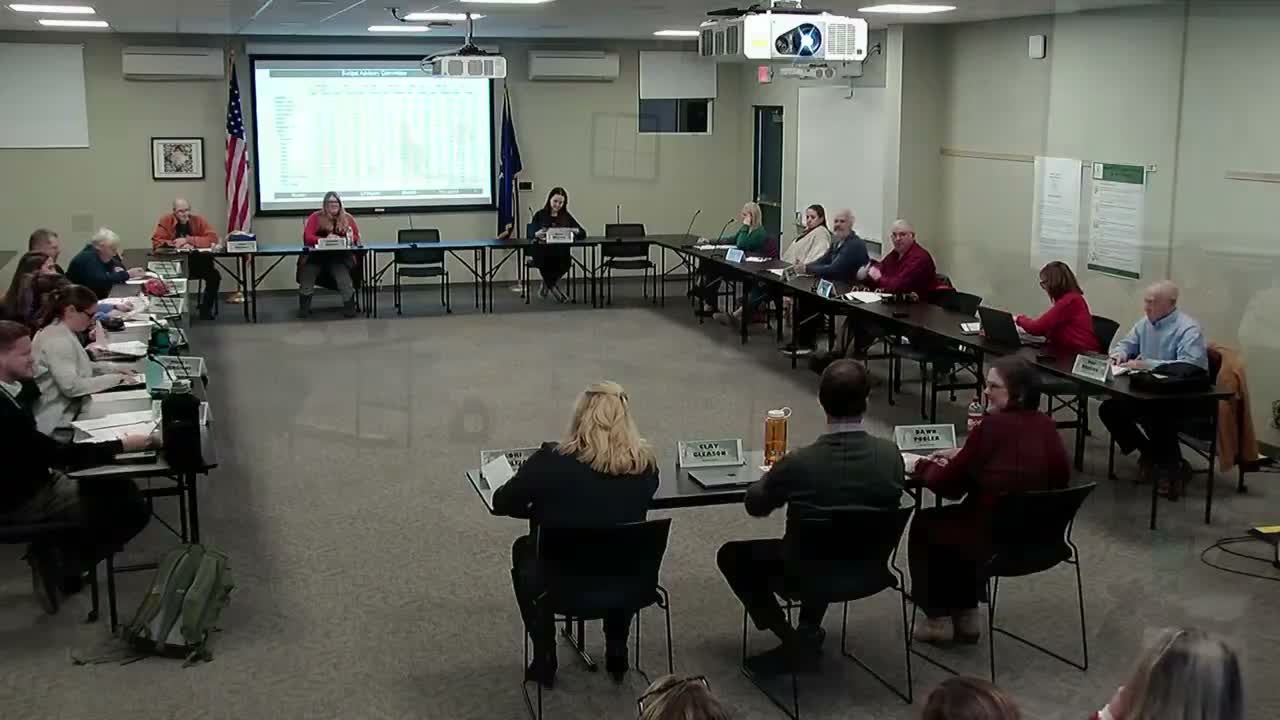
Summary
Elementary principals told RSU 06/MSAD 06’s Budget Advisory Committee that proposed non‑labor budgets show no increase while the district prepares to implement a state mandate to provide special‑education services for 3– and 4‑year‑olds, which administrators said the state will fund at 100%.
RSU 06/MSAD 06 administrators and elementary principals presented next‑year budget lines and program plans to the Budget Advisory Committee, emphasizing that the district is proposing no overall increase to the non‑labor budget while reassigning staff and using grants to cover rising costs. The meeting focused on pre‑K expansions and a state mandate that will shift special‑education responsibilities for 3‑ and 4‑year‑olds to public schools.
“We have no budget increase from last year to this proposed next year,” Chris Casey, principal of Steep Falls and Georgie Jack, told the committee during the Standish‑area presentation. Principals across the district described similar approaches: reallocating existing staff where possible, relying on grants and PTO funds for supplies and professional development, and piloting digital platforms to reduce workbook purchases.
Committee members pressed administrators on how proposed pre‑K classrooms would affect staffing counts and FTE allocations. Administrators described internal reclassification of positions (for example, moving instructional coach costs between federal and local lines) so pay sources match where staff provide services. Several answers emphasized that when FTEs are moved between buildings the district expects overall staffing totals to remain similar even if per‑building line items change.
A central item of discussion was a state law that requires districts to take over special‑education services for 3‑ and 4‑year‑olds by 2028. An administration representative said the district will implement those services in the third round (phased over two years) and that "they're telling us a 100%" — indicating the state has told districts it will provide full funding for implementation. The BAC discussion focused on operational choices (which buildings to use, partnerships with local providers) and how the district will convert provider students into district per‑pupil counts and possible pass‑through Memoranda of Understanding with community preschools.
Administrators repeatedly stressed grant use and in‑district training to limit recurring costs. Several principals described one‑time or grant‑funded professional development (for example, BAR and Rural Thrive grants) and said training would move to a train‑the‑trainer model when those grants expire. The committee also heard a repeated commitment that the district will examine curriculum purchases: the Reveal math workbooks were flagged for review to avoid buying unnecessary full bundles if selective or digital materials suffice.
The committee did not take formal policy votes on the major budget lines during this meeting. The chair closed the discussion after Q&A and the BAC adjourned following a motion to adjourn.
What’s next: the BAC will reconvene on Jan. 15 for presentations from middle and high school principals and the athletics director; administrators said they will provide more detailed FTE and title‑funding figures to committee members.