
Student advisory urges balanced screen time, flags AI as classroom challenge
Get AI-powered insights, summaries, and transcripts
Sign Up Free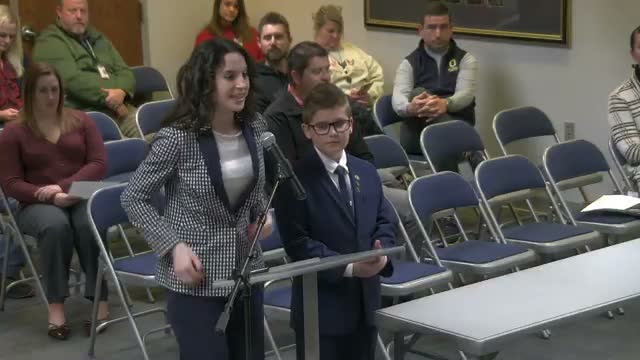
Summary
Two student advisory members told the Bradley County Board of Education that screens and rising AI use are harming students’ attention and mental health and recommended one-on-one teacher check-ins, peer encouragement and extracurricular options to reduce screen time.
Bridal Sapp, a student who represents Bradley Central and serves on the state board of education, told the Bradley County Board of Education on Dec. 11 that the district’s student advisory council had focused on how phones, screens and emerging artificial-intelligence tools affect student mental health, attention and productivity. “Many students believe in lessening their screen time and putting a bigger emphasis on putting that away to focus on other things,” Sapp said.
The advisory’s other speaker, Liam Hawk of Ocoee Middle, summarized practical suggestions the council raised, including one-on-one teacher conversations about screen use, peer encouragement, encouraging outside hobbies and structured time for solitude to process stress. Hawk said the group also discussed online safety and responsible internet use.
Dr. Linda Cash, director of schools, told board members the advisory has been consulted on policies before: she cited the district’s cell-phone policy changes and use of cafeteria screens as examples of student input that prompted implementation changes. Cash said the advisory consists of about two students from each grade and that student participation has been “instrumental” in shaping school policies.
Why it matters: student-led input on behavioral and instructional policies can affect classroom practice, discipline procedures and curriculum choices. Board members asked clarifying questions about how the advisory is organized and were told the group includes roughly 40 students who work in mixed-grade teams and meet regularly to advise district staff.
What’s next: Dr. Cash said the advisory meets again in February and that the district will continue to seek their input when considering policies that touch student behavior, safety and instructional supports.