Get Full Government Meeting Transcripts, Videos, & Alerts Forever!
Get email alerts on the Government Reports topic
No spam. Unsubscribe anytime.
County committees report on highways, schools and overdose monitoring
Summary
Commissioners received verbal reports: the highway committee outlined paving and maintenance priorities and closures through winter; the school board liaison highlighted grants growth and unanimous consent agenda passage at a recent board meeting; the health council described OMAR overdose monitoring trends including rising fentanyl prevalence and demographic shifts in overdoses.
Several routine reports and liaison updates were presented during the Montgomery County informal meeting on Dec. 1.
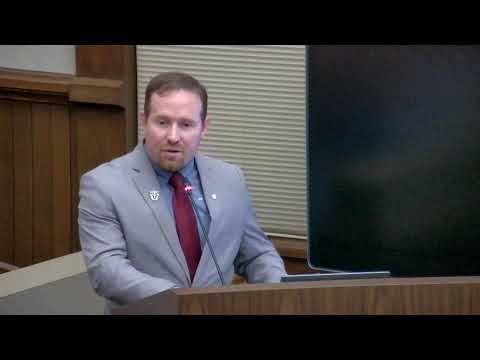
Highway liaison Commissioner Ray reported the highway committee met and completed paving work in several neighborhoods, addressed spring washouts and Batson Road repairs, noted no paving will occur during winter, described right‑of‑way limb trimming and bridge‑crew brush pickup, and listed four job openings in the highway department.
School board liaison Commissioner Burkholder summarized the school board's Nov. 18 meeting, citing point‑of‑pride awards, unanimous passage of the board's consent agenda (which included the budget amendments discussed at the county meeting), and historical growth in grant funding reported by the district.
Health council liaison Commissioner Simmons described the Tennessee Health Department's overdose monitoring program (OMAR), which uses emergency‑department visits and medical examiner reports to track trends. Simmons said data from January–October 2025 show rising overdoses and fatalities, with a high prevalence of fentanyl in toxicology results, an increase in emergency visits among males and Black individuals, and concerning rises among age groups 25–35 and 55–65. The health council endorsed data‑driven, targeted interventions with real‑time notifications to stakeholders as part of the response.