
Brandywine community urges more data, raises equity and special-education concerns; board tables a planning item
Get AI-powered insights, summaries, and transcripts
Subscribe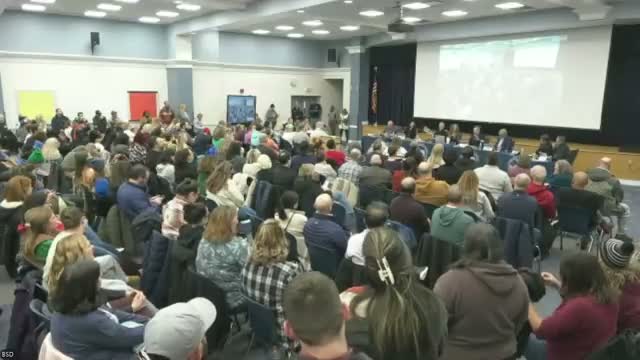
Summary
Fifty-one residents spoke during public comment, many demanding detailed AIR fiscal estimates, model-level impacts and safeguards for students with disabilities; the board moved to table a separate district success planning item and adjourned.
Dozens of parents, teachers and advocates used the meeting’s public-comment period to press the Redding Consortium and the school board for more data and clearer protections for vulnerable students before any redistricting decision.
Speakers repeatedly asked for plan-level fiscal estimates and timeline details. "It seems premature to have the vote before we have enough of the details to understand the differences in the plans," said Kendra Johnson, who identified herself as a parent in the district. Multiple commenters asked whether the AIR report, which presenters said had been contracted, would arrive in time to inform next week’s decision.
Teachers and parents warned that redrawing district boundaries alone would not close achievement gaps without targeted supports, staffing plans and transition safeguards. "Redrawing district lines without addressing these issues risks making a change with no meaningful benefit to student outcomes," said Jeanette Wilt, a Brandywine High School teacher and parent.
Public speakers raised other recurring concerns: potential disruption to existing feeder patterns and programs, impacts on special-education advocacy and continuity, transportation burdens for students moved farther from home, and a lack of transparency around consultant contracts and deliverables. A number of residents framed the debate historically, referencing past court-ordered desegregation and expressing divergent views about whether consolidation would help or harm racial equity and community identity.
Representatives of Wilmington education advocacy organizations urged bold action to end fragmentation and inequity. "Doing nothing or the bare minimum is choosing to preserve what we already know is not working," said a representative of the Wilmington City Office of Educational Advocacy, urging a single-district approach for city students.
In response to the breadth of public comment, consortium leaders reiterated that the landscape analysis and social drivers report were publicly available and that they would publish the AIR fiscal analysis as soon as it was completed; they also described a multi-step review process before any plan could be implemented. The board later moved, seconded and approved tabling a separate district success planning agenda item for a future meeting.
Provenance: public comment (multiple speakers) and consortium responses; board action to table item and adjournment.