Get Full Government Meeting Transcripts, Videos, & Alerts Forever!
Get email alerts on the Parks Credit topic
No spam. Unsubscribe anytime.
Port Orchard committee backs negotiating park-credit deal with McCormick Communities, drops push to force public trail easement
Summary
City staff and the land use committee agreed to negotiate a development‑agreement amendment allowing McCormick Communities credit for prior park dedications in exchange for targeted park improvements (tree canopy, a small pocket park) but committee members said securing a public easement for HOA trails is a 'nonstarter.'
The Port Orchard Land Use Committee agreed Nov. 19 to allow city staff to begin negotiating an amendment that could let McCormick Communities count past park and trail dedications against future active‑recreation requirements, provided the developer commits to additional on‑site improvements.
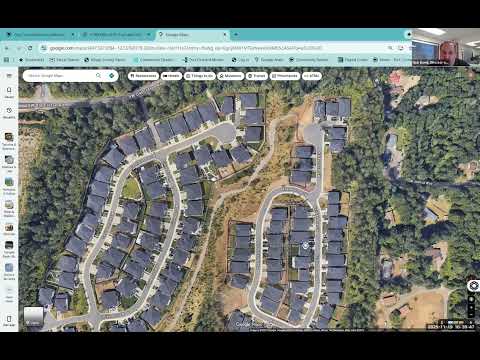
Nick Bond, the city’s community development director, told the committee that McCormick’s entitlements date back roughly 30 years and that the current agreement does not permit the developer to receive credit for ‘‘previous dedications and the things that they’ve agreed to do that still have not been completed.’’ Bond said the developer has already set aside large park areas—McCormick Village Park and Saint Andrews Park—that together total about 43 acres, while the code would otherwise require nearly 5 acres of active recreation for the affected lots.
The proposed approach would give McCormick some relief from the overlay district’s active‑open‑space requirements in exchange for new, specified benefits. Bond outlined a staff wish list that includes improved tree canopy/ reforestation in HOA open spaces (to support the city’s NPDES and stormwater goals), a small additional neighborhood park at the northeast end of Parcel F, and clearer plantings or trail connections where they would best serve nearby residents. Bond said these elements could be ‘‘a win’’ for the city while recognizing the developer’s prior contributions.
Committee members raised concerns about public access to HOA‑owned trails. Bond noted original Kitsap County permitting language envisioned some trails as public, but ‘‘that mechanism was never put in place by the county’’ and the trails remain privately held. Multiple committee participants said asking the city to accept maintenance and liability for HOA parks and trails is unrealistic; one member called opening HOA facilities to public use a ‘‘nonstarter’’ given insurance, maintenance and security implications.
Bond said staff will draft language reflecting the committee’s direction and forward it to the city attorney for preparation of a formal development‑agreement amendment; McCormick Communities will pay the attorney fees for drafting. If negotiations proceed, the matter will return to the council via a development‑agreement application, a public hearing and a vote, likely in January or February.
The committee’s agreement was procedural rather than final: members generally supported negotiating a compromise that reduces required active open space where the city would receive tangible, new public benefits, but they declined to pursue a legal path that would compel HOA trails to become public at city expense.
The next formal step is for staff to draft a proposed amendment and bring it back for public hearing and council action.