
ALC teachers and staff urge transparency, more space and adherence to labor‑management process for 1st Street build‑out
Get AI-powered insights, summaries, and transcripts
Subscribe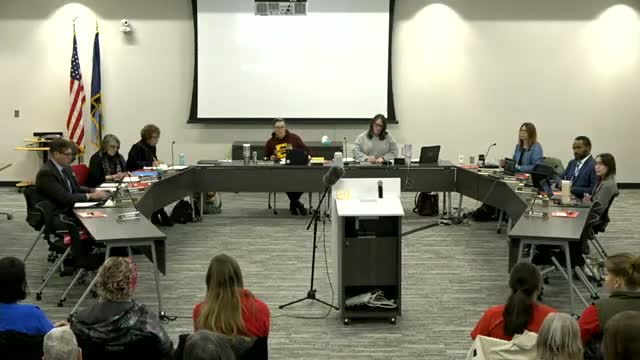
Summary
Multiple ALC/AEO teachers told the board the 1st Street build‑out does not provide adequate classroom, commons and natural‑light space for alternative‑education students and asked for the data and labor‑management process used to make space allocations.
Teachers and staff who work with the Alternative Learning Center (ALC/AEO) told the Duluth school board the district's planned 1st Street build‑out will shortchange students and undermine a program that supports high‑needs learners.
"It doesn't make sense," said Katie Lassie, an ALC/AEO chemistry and biology teacher who presented enrollment and usable‑space figures and provided QR‑linked data for board members. Lassie said the district had indicated it would commission a comprehensive demographic study to manage growth, but she said the district's space‑allocation data did not match ALC/AEO needs and asked the board to share the objective data used to justify the allocations.
Kathy Johnson, an ALC teacher with nearly 30 years' experience, told the board the proposed commons space is inadequate and warned that when planning occurs behind closed doors it erodes public trust: "As the district moves forward… the board has an opportunity to regain further trust. Please consider your legacy." Several other ALC staff and teachers — including Lindsey Emerson and John Lindela — described students who need more space for trauma‑informed accommodations and said the planned commons lacks natural light, which they said is important for student wellness in Duluth's winter months.
Some speakers also raised process questions. Jim Jubinville, a labor‑management co‑facilitator, said the labor‑management protocol was not followed when the ALC needs were decided, and referenced training with the Minnesota Bureau of Mediation Services as evidence the process had flaws.
Speakers asked the board to (1) show the data used to set space allocations, (2) ensure the labor‑management process is followed or remediated, and (3) adjust space assignments to meet ALC program needs, including larger commons, natural light and flexible classroom space.
What happens next: Speakers requested the district produce and share the objective data and to review the labor‑management process; the board did not take formal action on the build‑out during the listening session.