
Panel at Joint Economic Committee hearing urges longer contracts, wearables and small incentives to improve chronic care
Get AI-powered insights, summaries, and transcripts
Sign Up Free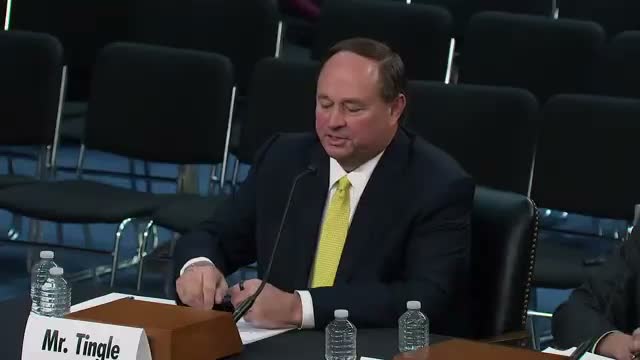
Summary
Panelists told a Joint Economic Committee hearing that behavior change is achievable using small incentives, gamification, wearables and longer payment terms; witnesses urged statutory and licensing reforms to let technology scale primary care.
At a Joint Economic Committee hearing, panelists representing health systems and technology programs said small incentives, digital engagement and longer-term payment arrangements could help manage chronic conditions and reduce avoidable hospital visits.
A program representative (Speaker 4) said the organization had "just past 10 years" of experience and that "behavior change is achievable," pointing to incentives, education and subsidized wearable devices as key tools. Speaker 4 added that digital engagement and simple rewards—sometimes as modest as small retail gift‑card prizes—drove sustained participation.
A provider executive (Speaker 5) told the panel that current annual plan turnover and short contract windows undermine investment in prevention and care coordination. "It would dramatically increase the chances of making that investment," Speaker 5 said of giving providers longer contract terms (discussed as a three‑year pilot) that allow time for continuity, data collection and return on investment.
Panelists also debated payment models. Speaker 1 and Speaker 3 favored hybrid risk‑sharing approaches—partial capitation combined with fee‑for‑service or shared‑savings arrangements—to avoid the perverse incentives of pure capitation while encouraging providers to invest in population health.
On technology, panelists described opportunities and limits. Speaker 5 described using wearables and automated alerts to route signals to nurse care managers and care teams but cautioned about data noise and regulatory limits on algorithmic diagnoses. The panel flagged the need to modernize Stark and anti‑kickback rules and to reconsider licensing and scope‑of‑practice laws so AI and physician extenders can operate effectively within legal bounds.
The hearing produced no formal votes or policy decisions; witnesses and lawmakers said they intend to continue examining pilot designs and statutory reforms.
The panel adjourned with no immediate action taken.