Anthony Wayne board to interview four finalists for open seat after public introductions
Summary
The Anthony Wayne Board of Education introduced four finalists for a vacant seat and will interview each in executive session tonight; the board outlined a legally constrained timeline to appoint a replacement between 10 and 30 days after the seat becomes vacant.
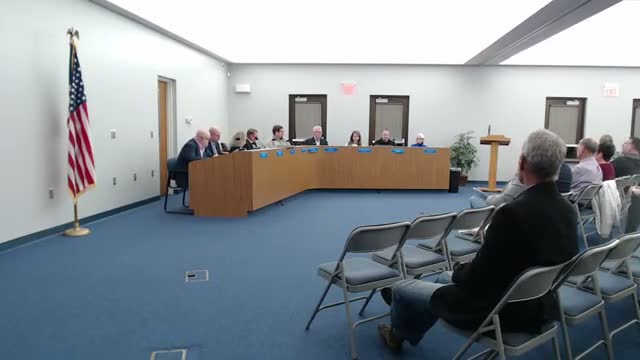
The Anthony Wayne Board of Education on Tuesday introduced four finalists for a board vacancy created by the resignation of member Miss McKnight and moved to interview each candidate in executive session.
President Kyle Miller said the board reviewed 25 applicants and selected four finalists — Troy Shalitz, Amy Barrett, Matt Culling and Katie Carollo — who each made public statements tonight and will be interviewed privately after the meeting. Miller said Ohio law requires an appointment to occur no fewer than 10 days and no more than 30 days after the seat becomes vacant, noting the board will complete interviews and return in January to make a formal appointment.
Each finalist described local ties and relevant experience. Troy Shalitz emphasized financial stability and community trust and said his background in accounting and operations would help "reorganize the allocation of our funding and reduce our growing expense profile." Amy Barrett cited decades of volunteer work and grant-writing experience and said she would support policies to assure a "high-quality education with opportunities to learn, grow and thrive." Matt Culling, a certified public accountant and internal audit director, said transparency, integrity and accountability would guide his board service. Katie Carollo highlighted volunteer leadership with the Anthony Wayne Youth Foundation and said her experience coordinating youth sports showed fiscal stewardship and community engagement.
Board members said finalists were chosen from an applicant pool of 25 and that tonight’s interviews are part of a multi-step selection process. The board will conduct individual executive-session interviews with each finalist tonight and is planning an additional executive session in January before formally voting at that meeting.
The process for ranking or scoring candidates was raised by members of the public. Community member Sarah Gornier asked the board to publish the criteria and explain how candidates were compared, saying a public scoring framework would improve transparency for a role that helps govern an approximately $50 million annual budget.
The board confirmed the selection timeline and that no appointment will be made tonight because the seat is not yet formally vacant; interviews are scheduled to follow the public meeting in executive session.