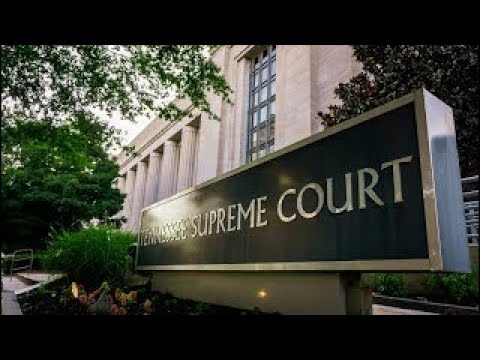
State asks court to reverse sanction ordering district attorney's office to pay attorney fees after late disclosure
Loading...
Summary
In oral argument, the state urged the court to reverse a trial-court order that required the district attorney's office to pay $500 in attorney fees and costs for ballistics testing after late disclosure of bullets, arguing sovereign immunity bars monetary sanctions against the DA's office absent explicit legislative waiver.
The state asked the court to reverse a trial-court sanction that directed a district attorney's office to pay defense counsel's fees and costs after late disclosure of bullets during a road-rage criminal trial.
"The trial court erred when it ordered the district attorney's office to pay attorney's fees because the district attorney's office is immune from all monetary sanctions, fines, and fees under the doctrine of sovereign immunity," Catherine Redding, counsel for the state, told the panel. Redding acknowledged the prosecutor did not disclose the bullets before trial but argued there is no statutory waiver authorizing the court to compel payment by the state treasury.
The underlying criminal case involved two counts of aggravated assault and one count of reckless endangerment, and the trial court declared a mistrial after testimony that the victim heard multiple gunshots and a bullet was later recovered from her vehicle. The trial court later found a Rule 16 discovery violation and entered a written order requiring the state to pay for ballistics testing and $500 in attorney's fees for post-mistrial hearings.
Defense counsel disputed the state's account of the record and urged the court to leave the sanction in place. Defense counsel argued the record is incomplete, pointed to a hearing the defense says shows the prosecutor had notice of at least one bullet the week before trial and that a second bullet was disclosed 47 days before the post-trial hearing but was not produced. Describing the trial judge's finding of the conduct as "the most egregious" the judge had seen, defense counsel said the sanction was intended to "make [the defendant] whole."
Justices questioned the parties about remedies and the legal basis for monetary sanctions. Counsel and the court discussed contempt proceedings, referral to the Board of Professional Responsibility and other disciplinary options, exclusion of evidence, and dismissal — all remedies that appear in case law or court rules, the panel noted. State counsel cited a reported appellate decision addressing a prosecutor-sanction appeal and stressed that appellate courts have declined to uphold monetary sanctions absent a contempt finding or explicit statutory authority.
The state told the court it believes Rule 16 (discovery) and other criminal procedure rules do not, on their own, abrogate sovereign immunity and that any abrogation of the state's immunity must be clear and statutory. Defense counsel countered that procedural rules approved by the legislature carry statutory force and urged the court not to allow the practical effect of the order to shift discovery costs to criminal defense counsel.
The panel did not rule during the argument. The state asked the court to reverse the sanctions order; defense counsel urged the court to allow the sanction to stand. The transcript does not show a decision on the motion or the appeal.