
Three‑year evaluation of ETHS structural changes finds higher belonging, gaps in instructional dialogue for classrooms with higher Black/Latino enrollment
Get AI-powered insights, summaries, and transcripts
Subscribe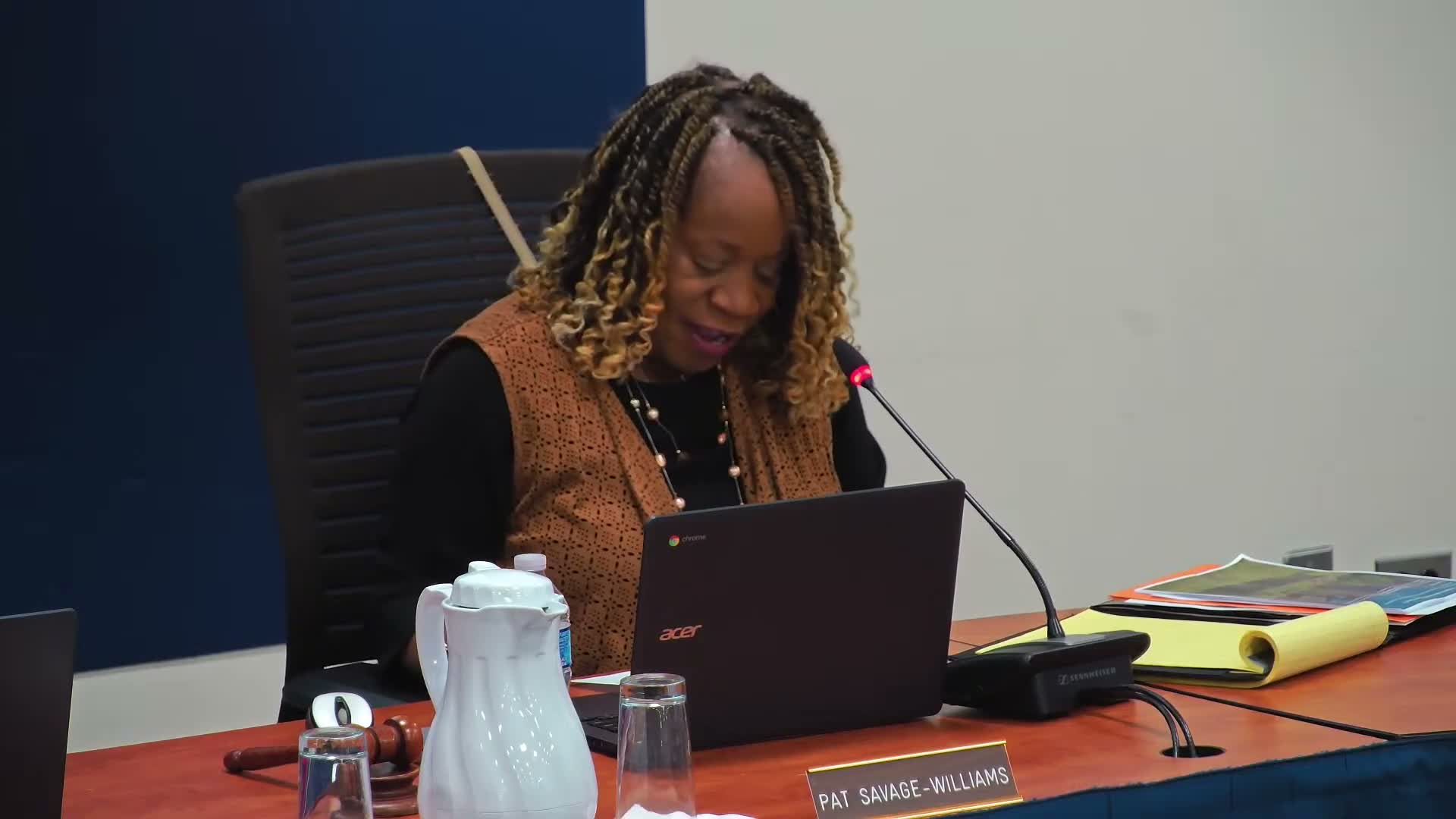
Summary
District presenters described a three‑year evaluation of post‑pandemic structural changes at Evanston Township High School showing improved student sense of belonging and classroom engagement, statistically significant gains in some observation measures, and persistent disparities in instructional dialogue for classes with 45% or more Black and Latino students.
At the Dec. 8 Evanston Township High School Board meeting, Doctor Levy and colleagues presented a three‑year evaluation of structural changes made after the pandemic — including a block schedule, longer passing periods and a 'bell to bell' no‑cell‑phone policy — and their effects on student well‑being, behavior, and classroom instruction.
The report is based on staff and student surveys, classroom observations using the CLAS tool and administrative attendance and discipline data. Key findings the presenters highlighted: 71% of students reported a sense of belonging in the latest survey (up from 63% in 2024), 80% said teachers treated them with respect, and 71% felt teachers cared about them as people. The district reported about 19% of students met major depression markers in the latest survey instrument; presenters contrasted that with pre‑pandemic averages of roughly 11–12%.
On classroom practice, the district’s random classroom observations showed strengths in positive climate and student engagement but identified opportunities in 'analysis and inquiry' and 'instructional dialogue.' Doctor Levy noted statistically significant increases in two observation constructs — instructional dialogue rose from 3.7 to 4.2 and analysis and inquiry from 3.0 to 3.8 on the 1–7 CLAS scale — and said the district will continue expanding observations to monitor trends.
Presenters also reported disparities tied to classroom composition: exploratory analysis showed classes with 45% or more Black and Latino students had significantly lower scores for instructional dialogue and analysis and inquiry than classes below that threshold. The administration and instructional leaders said the finding remained after examining course types and was not explained solely by placement in advanced or support classes. To address the gap, the district is using a collaborative action‑research 'care model' of focal‑student planning, targeted professional learning, and increased classroom observations to build teacher capacity.
Board members asked about the anonymous nature of surveys and how the district would target interventions for students who responded less positively; presenters said follow‑up deep dives and mixed methods analysis are planned. Presenters described observer training and inter‑rater reliability checks for CLAS observations and emphasized anonymized coding to prevent teachers from being identified in aggregate data.
The board praised the report’s rigor and use of data to inform instruction and staff development. Administrators said they will carry the findings into professional learning and MTSS planning and will continue to collect and analyze the observation and survey data over time.