Get Full Government Meeting Transcripts, Videos, & Alerts Forever!
Get email alerts on the Water And Sewer topic
No spam. Unsubscribe anytime.
Cerritos officials warn aging wells, pipes and pumps need millions; residents push back on proposed Prop 218 rate hike
Summary
Public works staff told the City Council that much of Cerritos' water and sewer infrastructure is 50'60 years old and needs immediate capital work—well treatment, pipe replacement and sewer relining—while residents at a lengthy public-comment period disputed the size and notice of a proposed Proposition 218 water/sewer rate adjustment.
Alvin Papa, the city's director of public works, told the Cerritos City Council in an informational presentation that the city's water and sewer systems show signs of widespread aging and stress, and that funding is inadequate to address the backlog.
"About 120 miles, or 70% of our pipes, are roughly 50 to 60 years old and are in dire need of replacement," Papa said in the council chamber as he outlined assets including four groundwater wells (three active, one inactive), three reservoirs and 172 miles of pipeline. He said staff and consultants recommend replacing about one mile of water pipe a year at an estimated cost of approximately $3,300,000 per year and said extensive treatment and repair will cost "tens of millions" more.
The presentation cited multiple immediate needs: treatment systems for wells with elevated arsenic and manganese and detected PFOS, rehabilitation or replacement of failing booster-station pumps (Papa said the C4 booster pumps and variable frequency drives may need replacement at roughly $550,000), and a citywide sewer CCTV inspection and relining program staff estimates at about $10,000,000. Papa also described a recent emergency repair at Bloomfield and South that cost about $200,000; he said that routine valve replacement would likely have kept that cost near $50,000.
The presentation was followed by extended council questions and a large public-comment period about a Proposition 218 process the city is pursuing to adjust water and sewer rates. Several speakers urged action to fix infrastructure to avoid public-health hazards; others criticized the size and notice of the proposed increases.
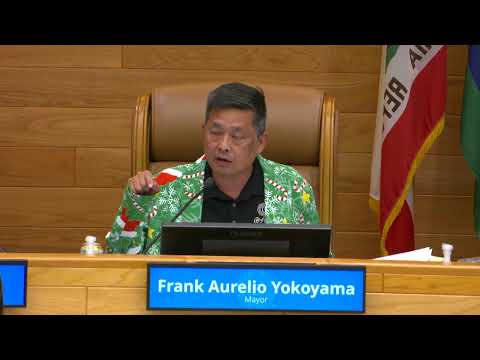
Dr. Robert Chevelle told the council he "remain[s] strongly against the rate increases," saying the notice table showed an "average residential home will pay an extra $1,200 per year," a figure he urged residents to protest. Mayor Frank A. Yokoyama and staff disputed that characterization in part, saying next year's phase would result in a $49.53 increase to the bimonthly bill ("less than $300 a year" by the mayor's reading) while emphasizing the council is following state Prop 218 procedures.
Council members repeatedly pressed staff on timelines, procurement and the feasibility of interim measures. Papa said building a new well from design to operation would take roughly four to five years if funded and permitted, and that cathodic protection and other engineering options could be evaluated for metal casings but would require further study and expense.
Why it matters: Council and staff warned that deferring maintenance increases the risk of service disruptions and raises emergency repair costs, while residents and rate opponents said the proposed increases look unaffordable for some households and objected to aspects of the notice and outreach. The city manager and the public works director said the informational sessions, commissions and mailed notices comply with state law and that staff will provide more detail as rate hearings and the budget process continue.
What's next: The water and sewer rate adjustment process under Prop 218 is ongoing; staff and council signaled additional community outreach and follow-up analyses as the budget and rate study move toward formal hearings.