Get Full Government Meeting Transcripts, Videos, & Alerts Forever!
Get email alerts on the Land Use topic
No spam. Unsubscribe anytime.
Council reviews development agreement to vest critical-area rules for Lindsay Sub Area Plan
Summary
City staff presented a development agreement with MJS Investors to vest existing critical-area regulations for the Lindsay Sub Area Plan, clarifying buffer mitigation, park-dedication language, phasing, and latecomer credits; staff said the Stillaguamish and Tulalip tribes have reviewed mitigation proposals for portions of the plan.
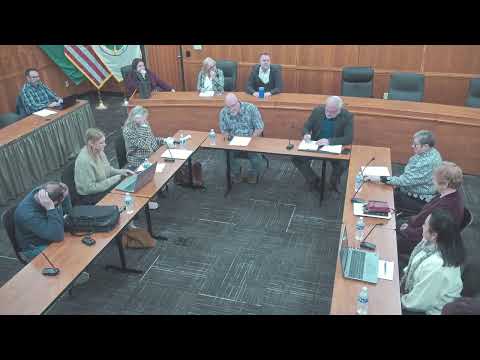
Arlington City staff briefed council on a development agreement with MJS Investors Acquisitions LLC meant to vest current critical-area regulations for the Lindsay Sub Area Plan and to document items the developer and staff had already negotiated.
Amy, the staff presenter, said the agreement aims to freeze the applicable critical-area code during the developer's multi-year review. "This development agreement was put in place to vest the current critical area ordinance regulations," she said, explaining the city must update its critical areas ordinance by 2025 and that buffer requirements under Washington Fish and Wildlife best available science could change buffer widths.
Amy described likely buffer changes: type F (fish-bearing) streams may see buffers that range from about 100 to 250 feet (current code around 150 feet depending on site), while non-fish-bearing (type NS) stream buffers would increase from roughly 50 feet to about 100 feet. She said the developer sought clarity on items including park dedication language in city code (which requires a park to be over 2 acres to be dedicated to the city), phasing of infrastructure (MJS owns several parcels that comprise phase 1, with additional parcels potentially part of phase 2), flexibility in conceptual site plan modifications, and routine latecomer/utility credits.
Amy said both the Tulalip Tribe and the Stillaguamish Tribe have already worked with staff on buffer mitigation for parts of the project and have approved certain wetland buffer reductions in those sections. Council members asked clarifying questions about acreage, phasing, and how proposed buffer changes would affect housing; staff said the agreement is intended to reflect commitments made during the project's review and to avoid changing terms "at the midnight hour." No formal vote was taken; the item remained in workshop for further review and a public hearing is expected as part of the subarea planning process.
If approved in ordinance or later action, the development agreement would vest existing code for the parcels covered and clarify responsibilities for on- and off-site infrastructure, off-site mitigation, and potential credits for water, sewer and storm utility improvements.