
Parents and community advocates urge district to reduce single-use plastics and ban phones during school day
Get AI-powered insights, summaries, and transcripts
Subscribe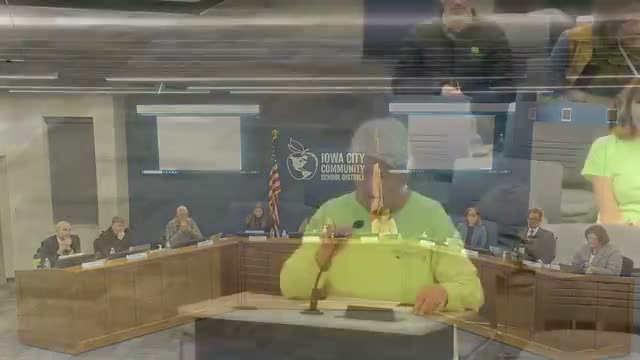
Summary
At the Dec. 9 board meeting community members asked the district to expand plastic-free lunch day districtwide, revise procurement to eliminate single-use plastics, and consider a full-day student phone ban after one teacher reported improved classroom conditions and an observed 23% rise in book circulation at her school.
Two members of the public used the district’s community-comment period to push for policy changes affecting student experience and school operations.
A representative of 100 Grannies for a Livable Future thanked district nutrition staff for participating in a November plastic-free lunch day and urged the board to expand the practice districtwide, revise procurement policies to eliminate single-use plastics and purchase in bulk, choose reusable condiment dispensers over single-use packets, adopt bamboo or compostable dinnerware, include plastics education in the curriculum, and provide an additional truck for compost and recycling pickup. The speaker cited a local figure—14% of refuse going into the Iowa City landfill is plastic—and national estimates about packaging costs and plastic waste reduction from plastic-free initiatives. These were framed as advocacy recommendations rather than district commitments.
Sarah Otterson Murphy, a teacher at Jefferson High and a parent of Twain Elementary and Southeast Middle students, urged the district to ban student phones for the full school day (from first bell to dismissal). Murphy described Jefferson High’s experience after adopting a strict phone policy—phones visible in class are sent to the office—and said it led to "dramatic" improvements in study-hall focus, fewer disruptions during passing periods and assemblies, reduced teacher stress and fewer recordings of fights. She reported a 23% increase in book circulation compared with the prior year but acknowledged the district cannot prove causation from the policy change.
Neither public comment produced a formal board response or a motion to change district policy during the meeting; the board’s stated role during community comment was to listen. The health and causal claims in public comment were made by non-expert speakers and were not substantiated by district-provided data in the transcript.