
Fresno public pushes back on proposed camping ordinance; council edits language after wide opposition
Get AI-powered insights, summaries, and transcripts
Subscribe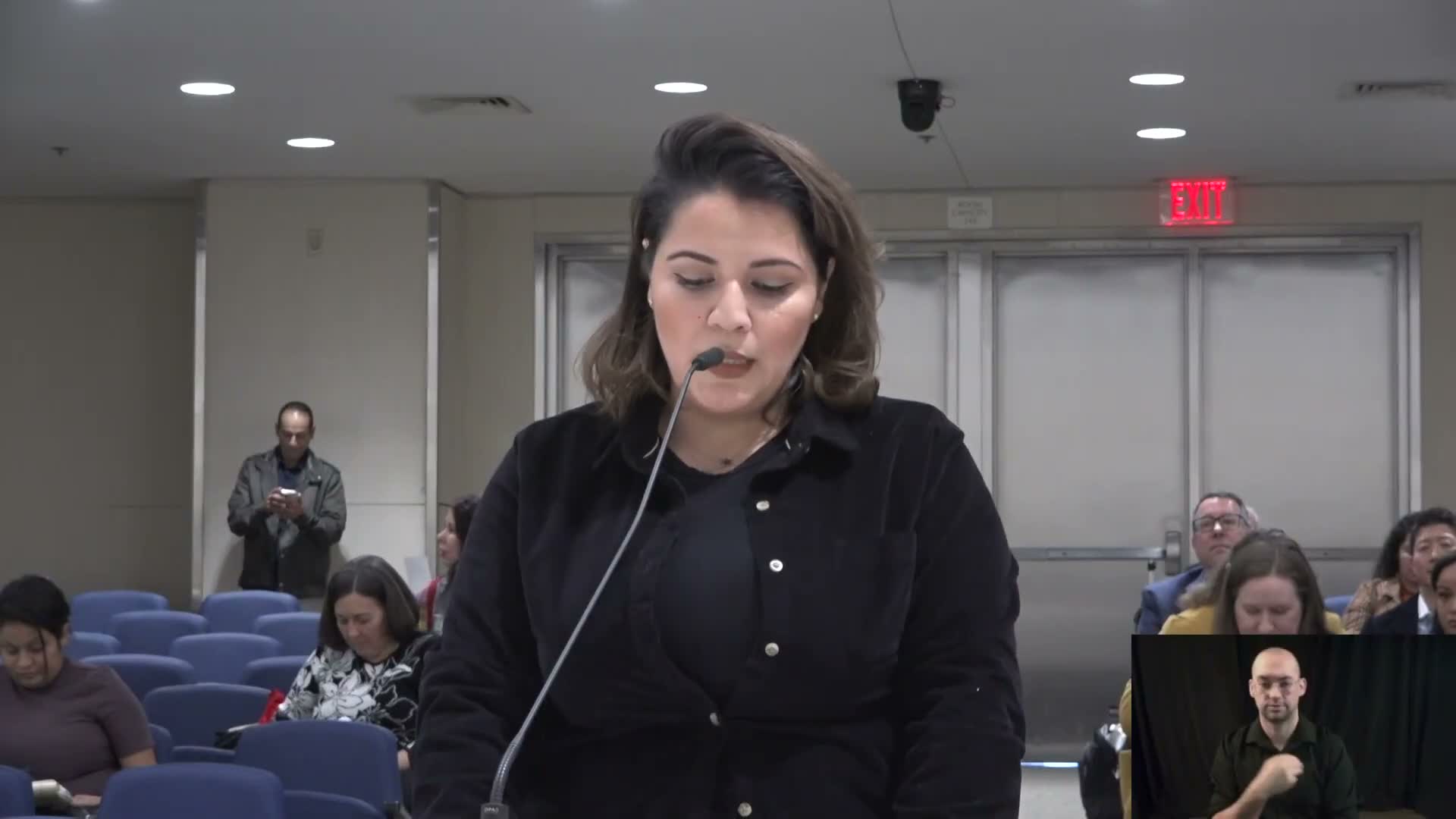
Summary
Hundreds of residents and advocacy groups urged Fresno council to reject changes that would criminalize camping and prohibit use of camping supplies; after extended public comment the council directed amendments to tightening language and removed an explicit sit/lie/sleep clause before approving a revised ordinance.
Dozens of speakers clustered during consent‑calendar public comment to oppose the city’s proposed camping and camping‑supply ordinance, warning it would criminalize people experiencing homelessness rather than expand housing and services.
Zara Marin, campaign director at Power California, told the council the ordinance would make life harder for people without shelter and called for housing options and service‑first approaches. “This ordinance remains out of touch,” she said during the consent‑calendar public comment period, repeating an appeal echoed by the ACLU, homeless‑service providers and multiple neighborhood advocates.
Speakers raised legal objections, citing pending litigation and the risk of civil‑rights lawsuits, and urged the council to show compassion and prioritize shelter, mental‑health services and housing. Several speakers said enforcement would disproportionately affect elderly, disabled and low‑income residents and would intensify displacement.
Council debate later focused on the ordinance’s specific language. The city attorney advised that certain words — notably an explicit prohibition on “sit, lie, sleep” — increased risk of legal challenge; the city attorney recommended striking those terms and tightening the definition of “camping” and the list of covered public spaces. After council discussion the body amended the ordinance to remove the explicit sit/lie/sleep clause and directed staff to refine definitions and return with red‑lined language; the transcript records the council approving the revised language on the floor.
City staff and the city attorney said the revisions were intended to reduce litigation risk and ensure the ordinance would target conduct the city intended to regulate rather than ordinary public‑space uses (picnics, waiting, or temporary resting). Several advocacy groups said the changes did not go far enough and repeated their opposition, while some business and neighborhood speakers supported stronger on‑the‑ground enforcement.
The meeting record shows this council acted to modify the ordinance’s drafting language after sustained public testimony and attorney advice. The transcript does not include a full, detailed vote tally for the final amended ordinance language in the public record excerpt; staff will return with the final red‑lined ordinance for subsequent formal readings and potential final vote.