
Casper staff urge council to back comment letter on Seminole pumped‑storage draft EIS
Get AI-powered insights, summaries, and transcripts
Subscribe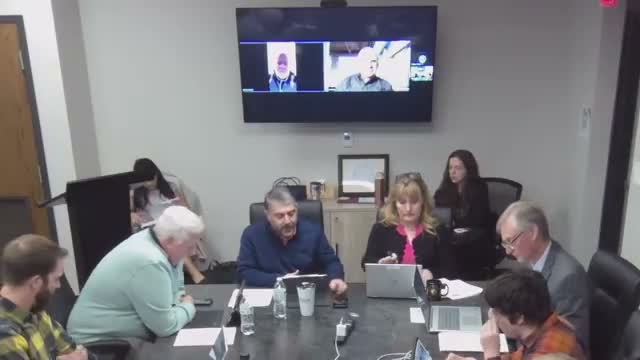
Summary
City staff briefed the council on a proposed Seminole pumped‑storage project, highlighted potential downstream impacts on the North Platte River and fisheries, and asked the council to authorize a city comment letter to FERC by the draft EIS deadline.
Casper staff asked the City Council to authorize submission of a comment letter to the Federal Energy Regulatory Commission on the draft environmental impact statement for a proposed Seminole pumped‑storage project, citing potential downstream impacts on the North Platte River and local recreation and wildlife.
Eric (staff) outlined the proposal from Our Plus Hydro of Salt Lake City: the company would build an upper reservoir above Seminole — described in staff materials as roughly 120 acres with about 13,000 acre‑feet of capacity — to store wind‑generated electricity. The stored water could be released to spin turbines to send power west, and staff said the project would use a mix of Bureau of Reclamation and private land, triggering federal NEPA review and FERC permitting.
Staff summarized the draft EIS staff findings and outside comments filed so far, saying FERC identified issues including soil disturbance, vegetation removal, changes to downstream water quality and temperature, and potential entrainment and losses to fish populations. Eric read a statement from the Wyoming Game and Fish director taken from a Nov. 6 legislative committee meeting: “there will be impacts from the project to sage grouse and mule deer … there will also be impacts to the local bighorn sheep population, which I don't believe we can sufficiently mitigate … as well as the fisheries and the miracle mile. I don't believe we can come up with a mitigation proposal that would be sufficient in that case.”
Eric also summarized technical comments from a retired Bureau of Reclamation engineer, Tim Dolan, who flagged potential structural concerns for the Seminole Dam, and cited Trout Unlimited and the Wild Sheep Foundation on fisheries and wildlife impacts. Staff said the developer’s recently submitted alternative (submitted Dec. 15) relocates parts of the project to Bureau of Reclamation lands and raised concerns among stakeholders that the late filing reduces public time to evaluate that option.
Staff asked the council to give staff a “thumbs up” to prepare and submit a Casper comment letter by the draft EIS comment deadline (stated in staff materials as January 2). Eric said the draft letter in the packet largely follows Carbon County’s comments but that staff — working with City Manager Janine Jordan — would make Casper’s submission more specific to local concerns. Staff emphasized that this is the draft EIS comment window and that there will be later permitting steps and additional opportunities to participate, including the potential industrial‑siting and record‑of‑decision phases.
Councilors voiced support for submitting a letter and asked staff to expand the draft with Casper‑specific analysis of downstream economic and fisheries impacts. Several councilors also asked staff to press the developer to hold a town hall in Casper so local residents could ask questions directly; staff said it may be too late to secure a developer presentation before the immediate comment deadline but that further engagement opportunities could be pursued during later permitting stages.
What happens next: staff will draft a strengthened comment letter reflecting Casper’s concerns about fisheries, recreation and downstream water effects and submit it online during the draft EIS comment window. Staff noted that later opportunities to participate in the FERC process and industrial‑siting proceedings remain available.