Get Full Government Meeting Transcripts, Videos, & Alerts Forever!
Get email alerts on the Budget And Fund Distribution topic
No spam. Unsubscribe anytime.
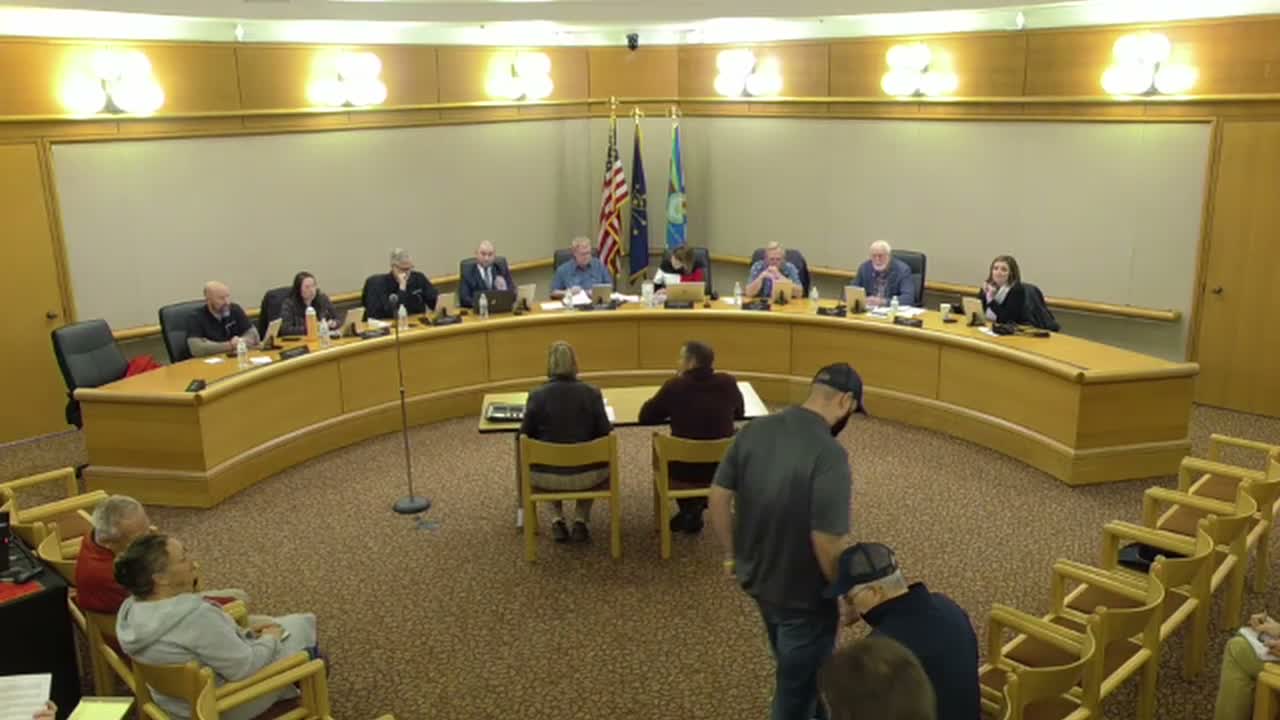
Columbus City Council approves budget resolutions and affirms commercial-vehicle tax distribution plan
Summary
The council voted unanimously to adopt the presented budget resolution and to approve distribution plans for commercial vehicle excise (FIT) funds for 2025 and 2026, keeping the revenue allocations aligned with the adopted budgets; councilors questioned whether some funds should be earmarked for road maintenance.
The Columbus City Council voted unanimously to adopt the presented budget resolution and to approve separate distribution resolutions for 2025 and 2026 for the commercial vehicle excise (FIT) funds.
At a Nov. meeting, a city presenter told the council that House Enrollment Act 13 92 (effective July 1) requires jurisdictions that do not allocate all FIT receipts to the general fund to adopt a public distribution plan. The presenter said the FIT revenues represent less than a quarter of a percent of total city revenues and recommended resolutions for 2025 and 2026 that align with existing budget allocations. "If you choose to not distribute the funds 100% to the general fund, a plan ... must be passed through either an ordinance, resolution or vote to pass the fund distribution plan," the presenter said.
Council members asked why projected FIT receipts jump between years; staff said state distribution formulas are complicated and the city relied on state notices and historical budgeting for the proposed allocations. One councilor, speaking from a taxpayer perspective, urged future "course corrections" so funds generated from commercial vehicles contribute more directly to roads and pavement maintenance rather than being distributed broadly across the general fund.
Motions to adopt the resolutions were made and seconded; the council recorded unanimous votes (each resolution passed 8-0). The meeting record shows the council intends to keep the FIT distributions in line with how departments were already budgeted for this year and next because the budgets had been finalized before staff realized the statute required the formal distribution action.
The resolutions adopted the staff-recommended allocations; no immediate changes were made to earmark FIT receipts specifically for pavement. Councilors indicated their preference that future budgeting consider directing a greater share of vehicle-generated revenue toward infrastructure maintenance.
What comes next: the adopted resolutions document the 2025 and 2026 distribution plans as required by the state law; councilors signaled interest in revisiting how vehicle-related taxes are routed in future budget cycles.